
Problem solving
Why your drain keeps clogging after it is cleared
When a drain keeps clogging a few weeks after it was cleared, the first cleaning usually opened a path through the blockage and left the real cause sitting in the pipe.
By Plumbers in Macomb, MI · Published · Last updated
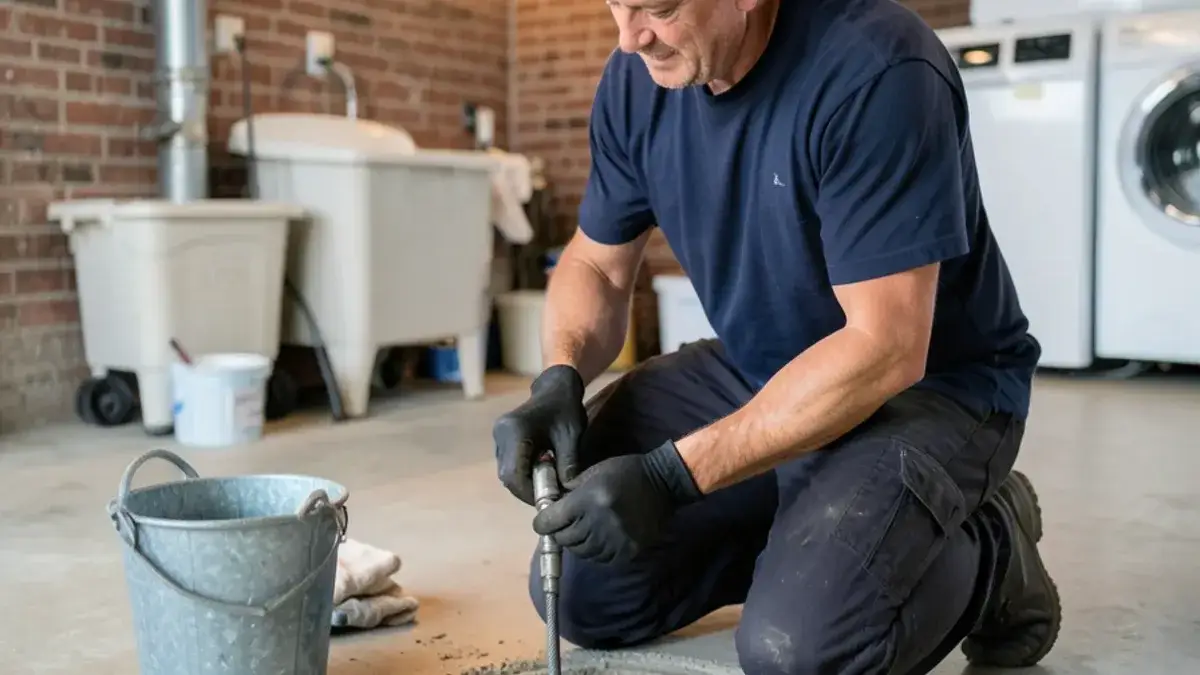
A drain keeps clogging because the first cleaning only punched a hole through the blockage. Grease, soap scum, hard water scale, roots or a sag in the pipe stay behind and catch the next load of debris. Where the clog returns and how fast tell you which cause you have.
Start with which drain keeps backing up
A clog that comes back is giving you information. Where it shows up, how fast it returns and what the cable pulled out all point toward a cause. The location of a repeat clog narrows the list fast.
A single kitchen sink that slows down every few weeks is almost always grease and food residue in the branch line behind the cabinet. A bathroom sink or tub that keeps clogging is usually hair bound up with soap scum. A toilet that plugs often may have something lodged in its trap, or it may be a low-flow model on a line with too little slope.
Several fixtures at once is a different story. When a basement floor drain gurgles as the washer empties, or the tub fills when the toilet is flushed, the blockage is in the main line that all of them share. That's the line where roots, sags and broken pipe show up.
Tired of clearing the same drain every month?
- Your call goes to an independent local plumbing company that does the work.
Repeat clog symptoms and what usually causes them
| What you notice | Likely cause | What tends to fix it |
|---|---|---|
| Kitchen sink slows again within weeks | Grease coating the branch line | Jetting the line, then grease habits at the sink |
| Bathroom sink or tub clogs every month or two | Hair and soap scum in the trap and arm | Cleaning the trap and arm, a hair catcher |
| Floor drain backs up during laundry | Partial blockage in the main line | Main line cleaning and a camera look |
| Main line clogs a few times a year, worse in summer | Roots entering at pipe joints | Root cutting, then repair or lining |
| Water drains slowly but never fully stops | Scale narrowing old cast iron | Descaling or replacing the worst section |
| Clog returns at the same distance every time | A sag or offset joint where debris settles | Camera inspection and a spot repair |
| Gurgling, slow drains, sewer odor near a sink | Blocked or missing vent | Clearing the roof vent or correcting the venting |
The usual causes behind repeat clogs
Grease that cools and coats the pipe
Cooking fat goes down warm and liquid, then cools and sticks to the pipe a few feet downstream. Each new layer narrows the opening. Grease is a big enough problem in the public sewer system that crews pulled a roughly 100-foot "fatberg" out of an interceptor in Clinton Township in 2018. Your kitchen line is a much smaller pipe, so it takes far less grease to choke it.
Soap scum, hair and hard water scale
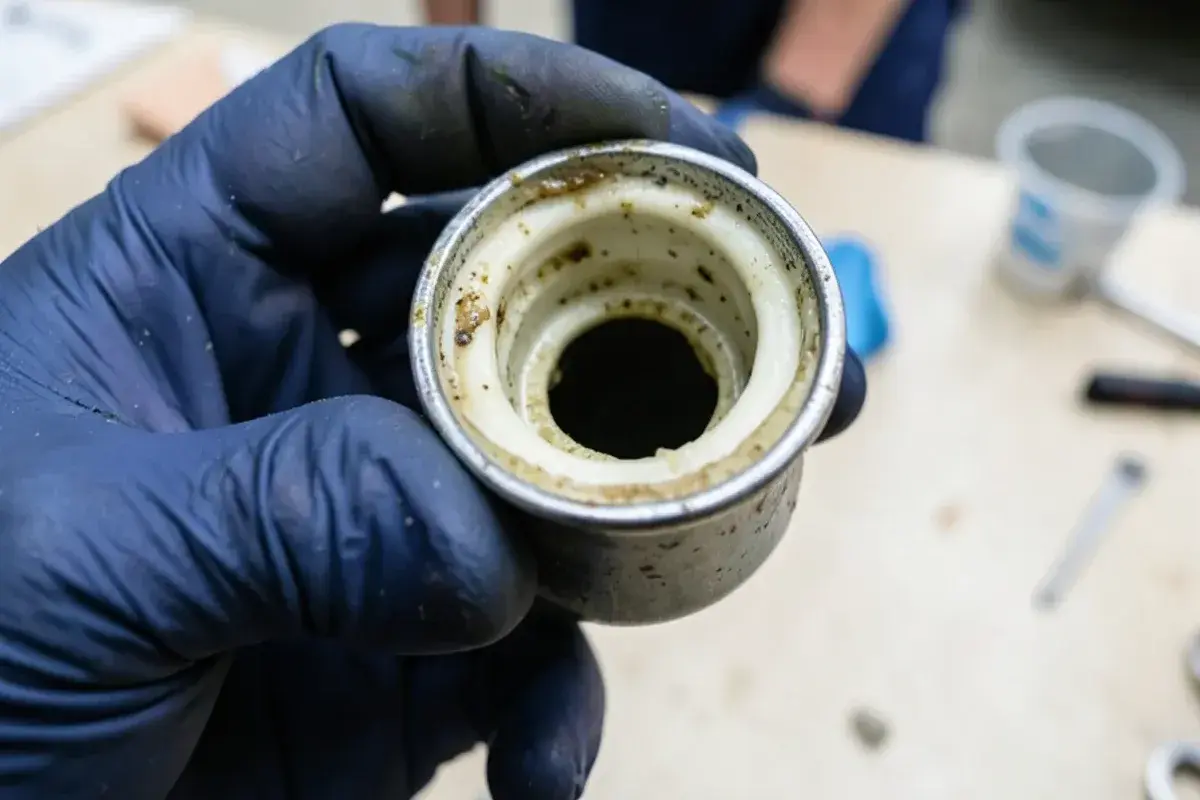
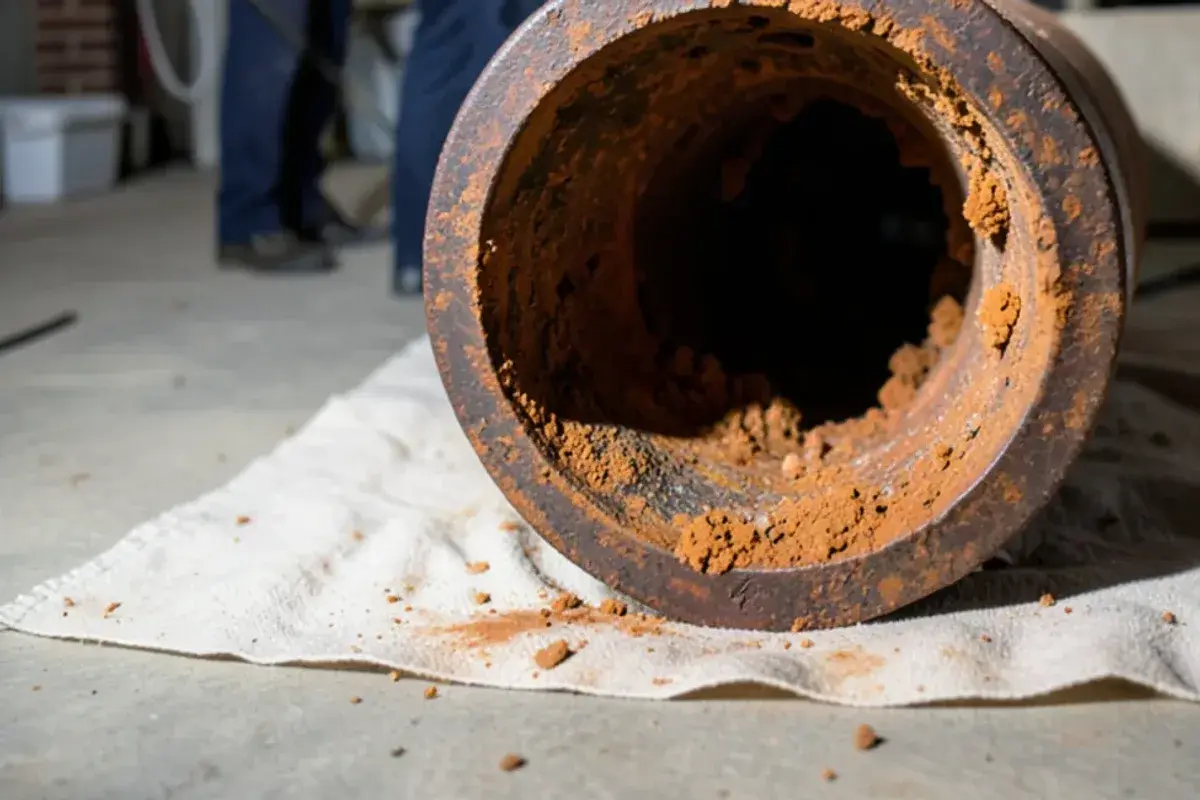
Bar soap leaves a waxy film that grabs hair. Hard water adds minerals that harden inside drain lines over time. In its 2024 water quality report, Macomb Township listed an average hardness of 99 parts per million. That works out to roughly 5.8 grains per gallon, in the moderately hard range. That's enough to leave scale in older cast iron, where the rough interior already gives debris something to snag on.
Roots at clay or cast iron joints
Roots find the small gaps at pipe joints and grow into the warm, wet line. A cable cuts a path through them, and they grow back thicker. If the cable came back with stringy root fibers on it, you already know what's in the main line.
A belly or sag in the line
When part of a buried pipe settles, it forms a low spot that holds water. Paper and solids slow down there and pile up. A drain that clogs at the same distance from the cleanout every time often has a belly or an offset joint at that spot.
Vent problems
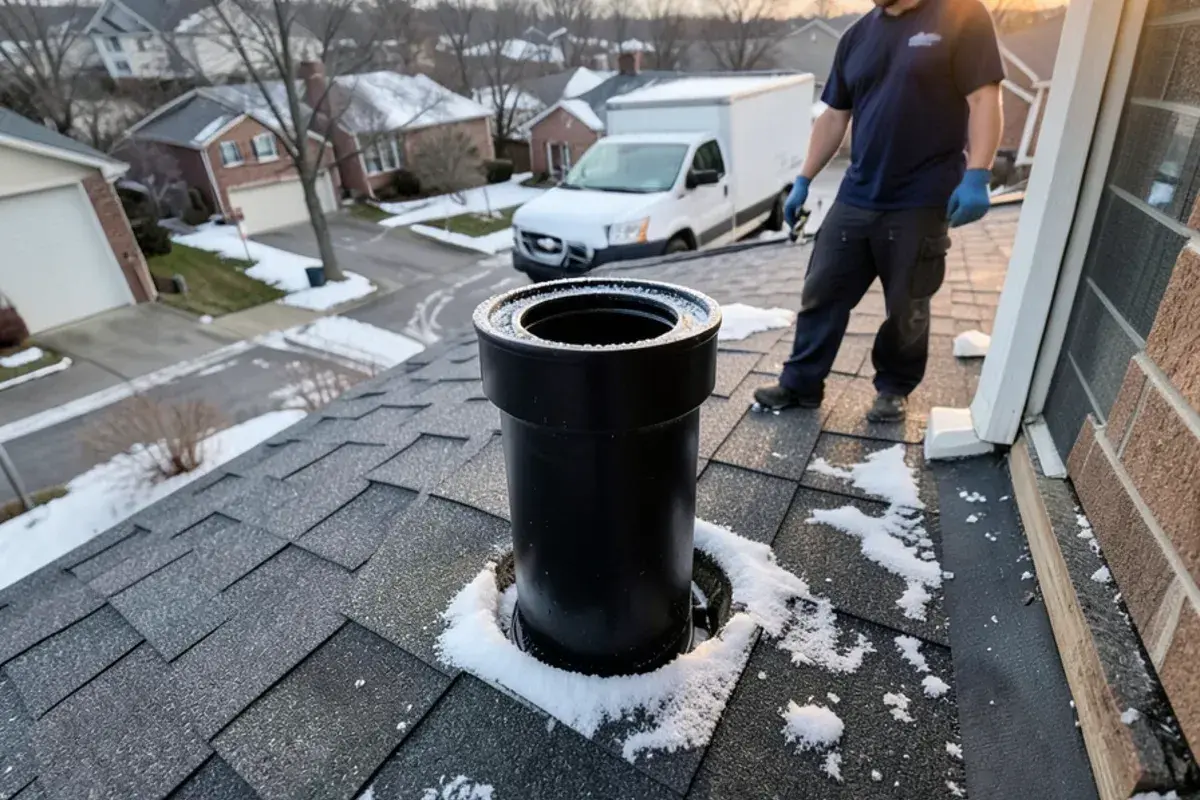
Drains need air behind the water to flow freely. A roof vent blocked by leaves, a bird's nest or a winter frost cap can make drains slow and gurgly even when the pipe below is clear. A failed air admittance valve under a sink does the same thing on a smaller scale.
Why a drain cable leaves residue behind
A cable machine (a snake) spins a cutting head through the clog. It opens a hole about the size of the head, and water starts flowing again. What it leaves is everything on the pipe wall outside that path: grease rings, scale, root stubs and sludge. Within weeks, new debris catches on that leftover material and the clog rebuilds in the same place.
Cabling still has a job. It's quick, it clears a hard stoppage, and it's often the right first step. For grease and scale, though, hydro jetting scours the full inside wall with high-pressure water, so there's less left behind to start the next clog. Routine drain cleaning works best when the method matches what's in the pipe.
When to put a camera in the line
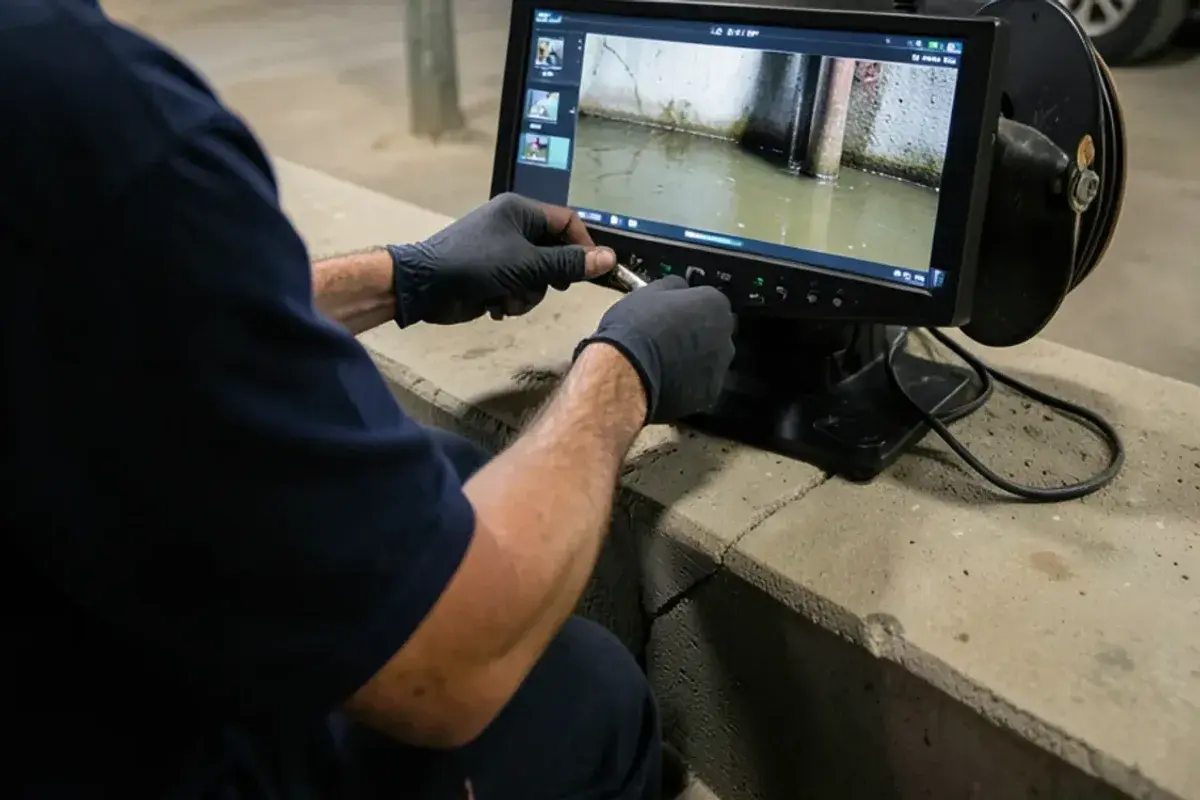
A camera answers the question a cable can't: what does the inside of the pipe actually look like? It's worth the visit when the same drain has clogged two or three times in a year, when several fixtures back up together, when the cable brings back roots, or when you're buying an older home.
In much of Sterling Heights, homes from the 1960s through the 1980s commonly have cast iron drains (later ones switched to plastic), and that iron is now old enough to show scale and the occasional cracked joint. Newer subdivisions in Macomb Township are more likely to have plastic drains, where repeat clogs point more toward grease, wipes or a sag than toward corrosion. A sewer camera inspection shows the material, the condition and the distance to any defect, so you can decide between maintenance and repair with the footage in front of you.
Habits that stretch the time between clogs
Wipe greasy pans with a paper towel before washing and pour cooled fat into a can. Use strainers in kitchen and tub drains. Keep "flushable" wipes out of the toilet, since they don't break apart the way toilet paper does. Run hot water for a bit after using the disposal. None of this fixes a root intrusion or a sag, but it keeps a healthy line healthy and slows the return of grease clogs after a good cleaning.
What plumbers commonly find on a repeat-clog call
The fixture that backs up is often not where the trouble is. A floor drain that overflows on laundry day sits at the lowest point of the house, so it shows a main-line problem first, even when the blockage is forty feet away near the street. A cable run from the floor drain has to pass through that drain's trap, which limits the cable size, and a short cable may stop before it reaches the real restriction. A cleanout on the main stack, or one outside, gives better access. Where a house has no usable cleanout, the plumber may pull a toilet or work from the roof vent, and adding a cleanout is sometimes part of the fix.
Basement laundry is a frequent repeat offender. Washer discharge carries lint and fibers that settle in the laundry tub drain and the floor drain line. A lint trap on the washer hose catches most of it before it gets that far.
Each method has a limit worth knowing:
- Cabling opens a stoppage but leaves the pipe wall coated, so it's the first step, rarely the last.
- Jetting cleans the full wall, but it can't lift a belly, and on badly corroded cast iron the plumber may lower the pressure or skip it.
- Descaling cast iron restores flow, though it can also reveal how thin the pipe has become, and sometimes the honest outcome is replacing that section.
- Enzyme and bacterial drain treatments can slow grease buildup in a cleaned kitchen line. They won't clear a clog that's already formed.
Low-flow toilets on old, long horizontal drains are another pattern. Less water per flush means less push to carry solids to the main, and a slightly flat run lets them settle. A camera shows whether the pipe or the flush is the weak link.
Breaking the repeat-clog cycle
One clog is a nuisance. The same clog three times in a year means the method doesn't match the cause. Note which drain backs up, how often, and what came out on the cable, then match the cleaning to the pipe and get a camera look when the pattern points to the main line. If your drain is on its second or third round, call (207) 419-2600 and we'll connect you with a local plumber who covers your area.
Common questions
Are chemical drain openers okay for a drain that keeps clogging?
No. They're a poor fit for repeat clogs. They may burn a small hole through soft material, but they don't touch scale, roots or a sag, and they can sit in the trap and splash on whoever opens the drain next. If you've used one, tell the plumber before any work starts.
How often should a main drain line need cleaning?
A main line in good shape can go years without attention. If yours needs clearing more than about once a year, something in the pipe is catching debris, and a camera inspection is the faster way to learn what it is.
Do I need a permit to have a clogged drain cleared?
No. Michigan's permit rules carve out clearing stoppages, provided nobody alters the existing pipes or fixtures in the process. If the fix turns into replacing a section of pipe, that work does need a permit. In Macomb Township the permit comes from the township building department, and new pipe can't be covered until it passes inspection.
Where we can help
Tired of clearing the same drain every month?
- Your call goes to an independent local plumbing company that does the work.