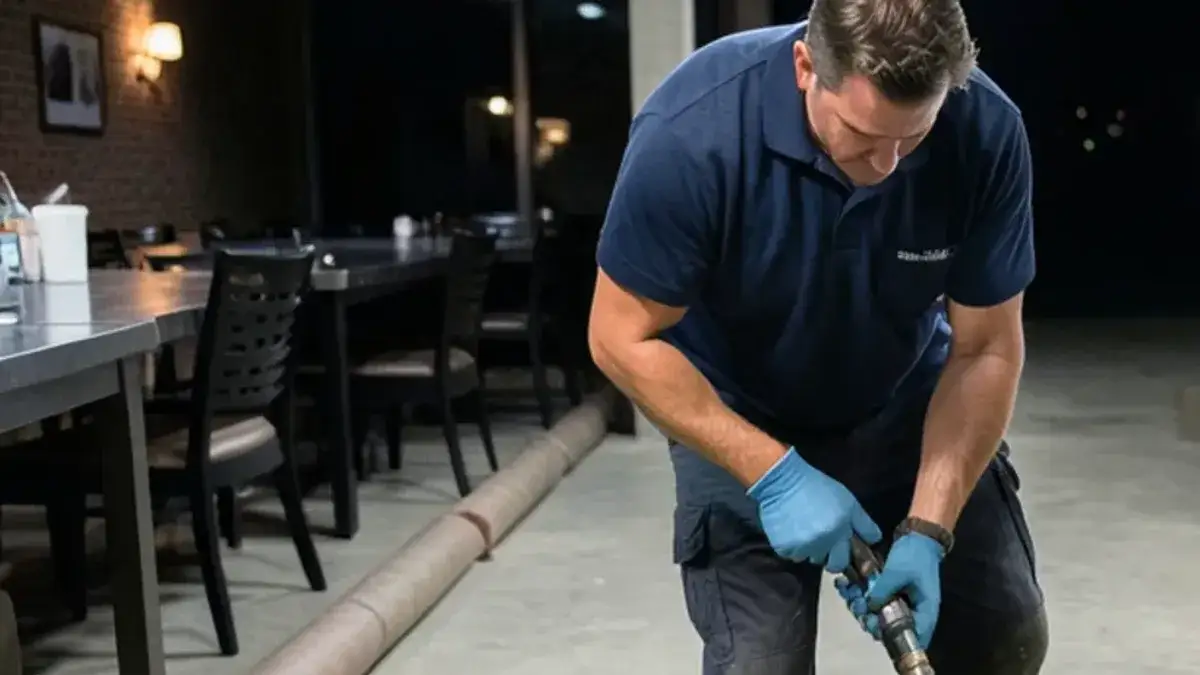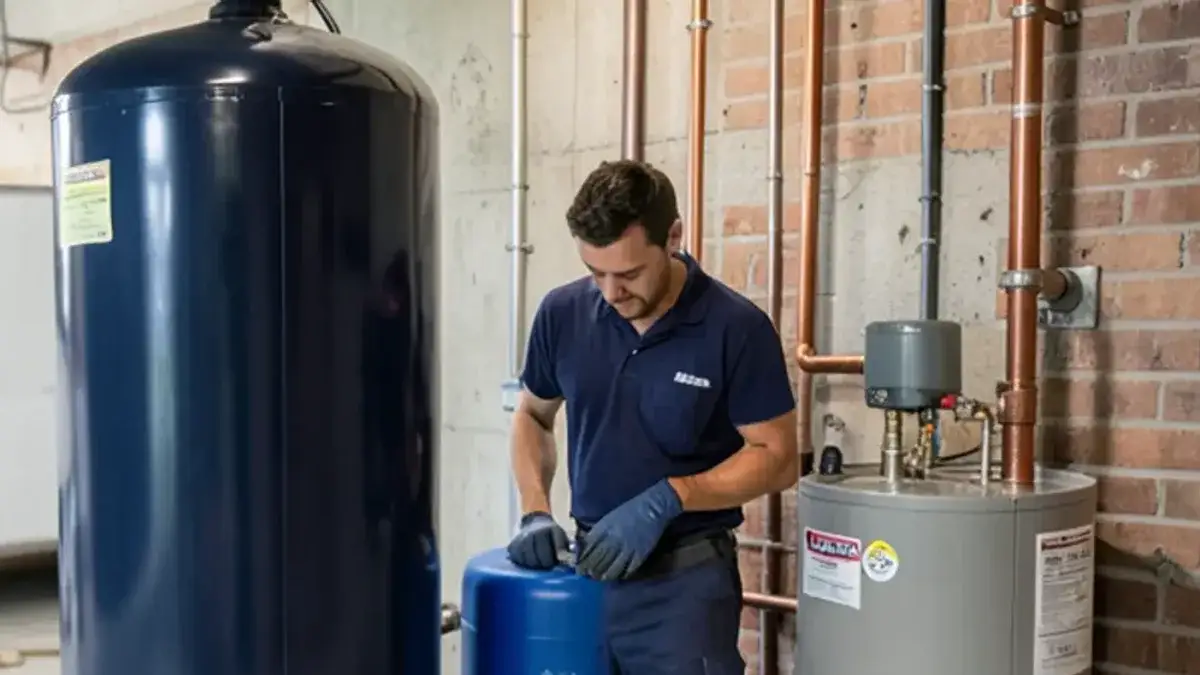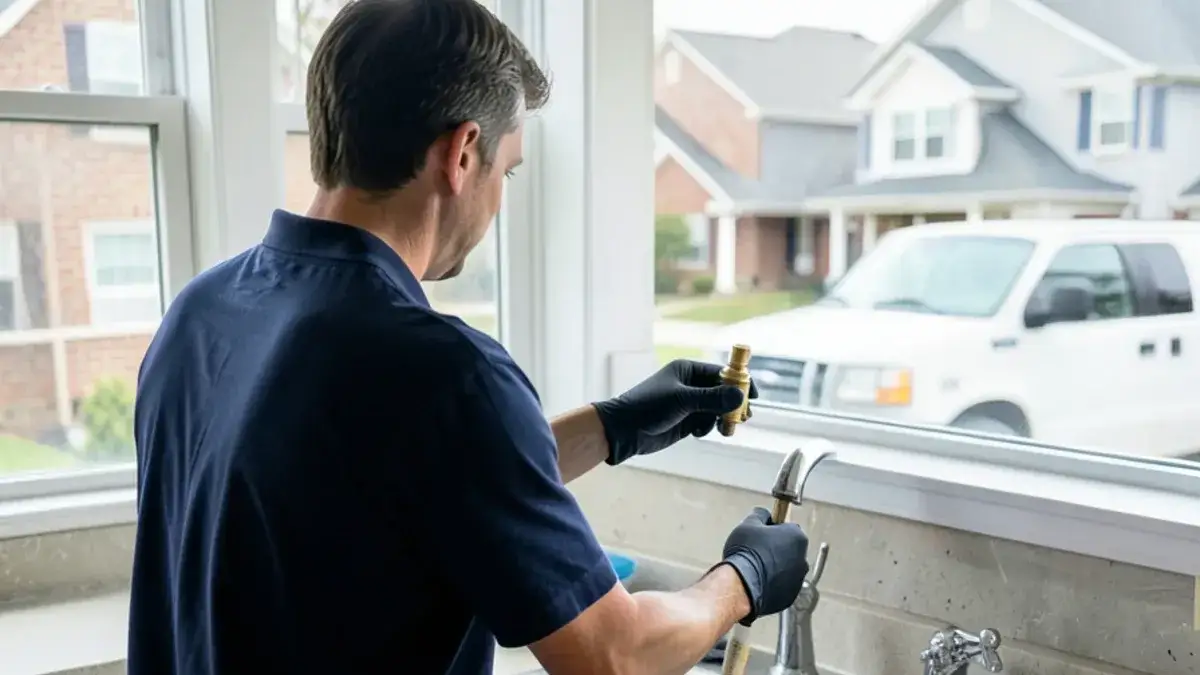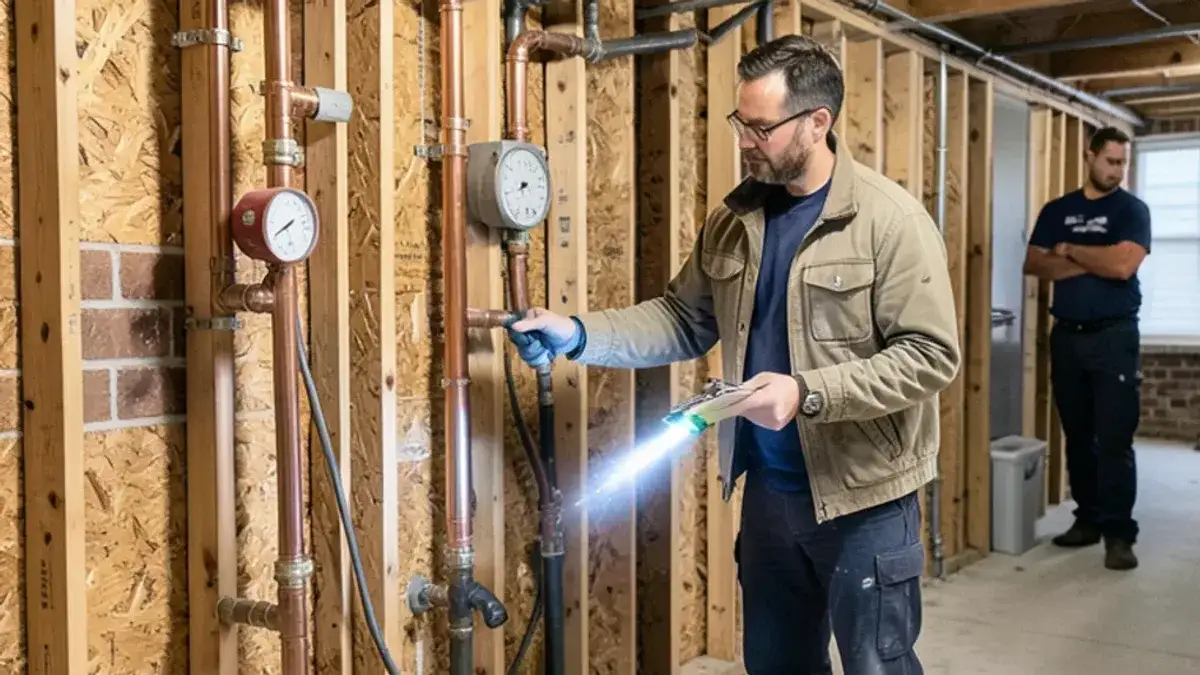
Macomb Township's mandatory residential cross-connection program began July 1, 2026, with an exterior inspection of every home.
When backflow testing in Macomb Township is required
Backflow is water running the wrong way, from your property back into the public supply. It happens when pressure in the main drops, during a water main break or heavy hydrant use, and whatever is connected on your side can get pulled back in. Lawn sprinkler water, boiler water with treatment chemicals, and the water in a sump pit all count as hazards.
Michigan makes every public water system run a cross-connection program, for homes as well as businesses. Locally:
- Macomb Township approved an EGLE-approved inspection plan in March 2026. Outside, inspectors check hose bibs, irrigation, and pool or hot tub connections; mailed surveys ask about water-powered sump pumps, softeners and boilers.
- Sterling Heights tests commercial assemblies every year and residential ones every three years, including irrigation vacuum breakers, water-powered sump pumps and boilers.
- Clinton Township adopted EGLE's cross-connection rules manual by ordinance, and Shelby Township has announced residential cross-connection inspections.
A test is also due when an assembly is first installed and after it's repaired or moved. Other triggers: a new sprinkler, boiler, fire line or water-powered sump backup, a dripping RPZ relief valve, a vacuum breaker that spits at spring startup, or a business sale or new tenant.
How often does a backflow preventer test come due?
The model plumbing code calls for testing at installation, after any repair or relocation, and at least once a year. Local water systems set the schedule you actually follow, which is why Sterling Heights runs a three-year cycle for homes and an annual one for businesses. Your notice from the water department is the date that counts.
Test due on a sprinkler or building assembly?
- Your call goes to an independent local plumbing company that does the work.
Which backflow assembly do you have?
The type decides the test. Homes usually have one; businesses often have several.
Pressure vacuum breaker (PVB)
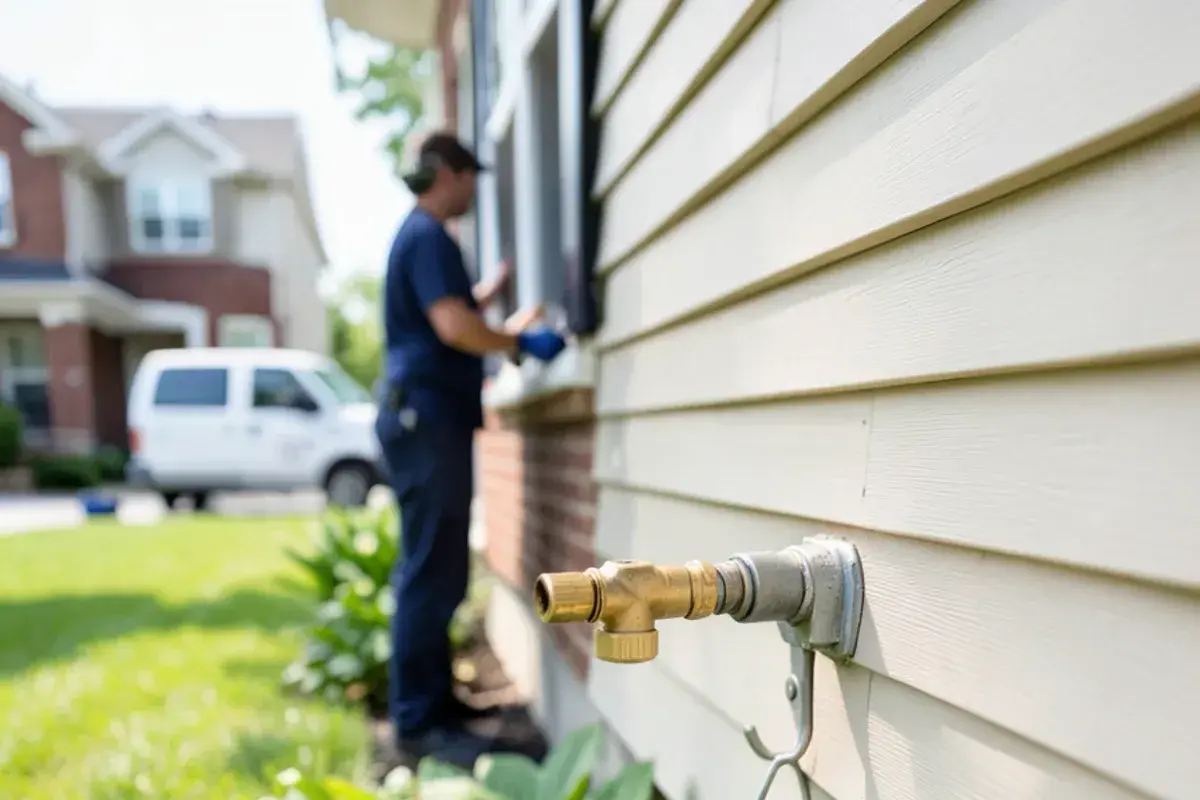
The usual device on a residential lawn sprinkler system. It sits on a riser above the highest sprinkler head, outdoors, with an air inlet that opens when pressure drops and a spring-loaded check. Michigan winters crack PVBs that aren't drained in fall.
Double check valve assembly
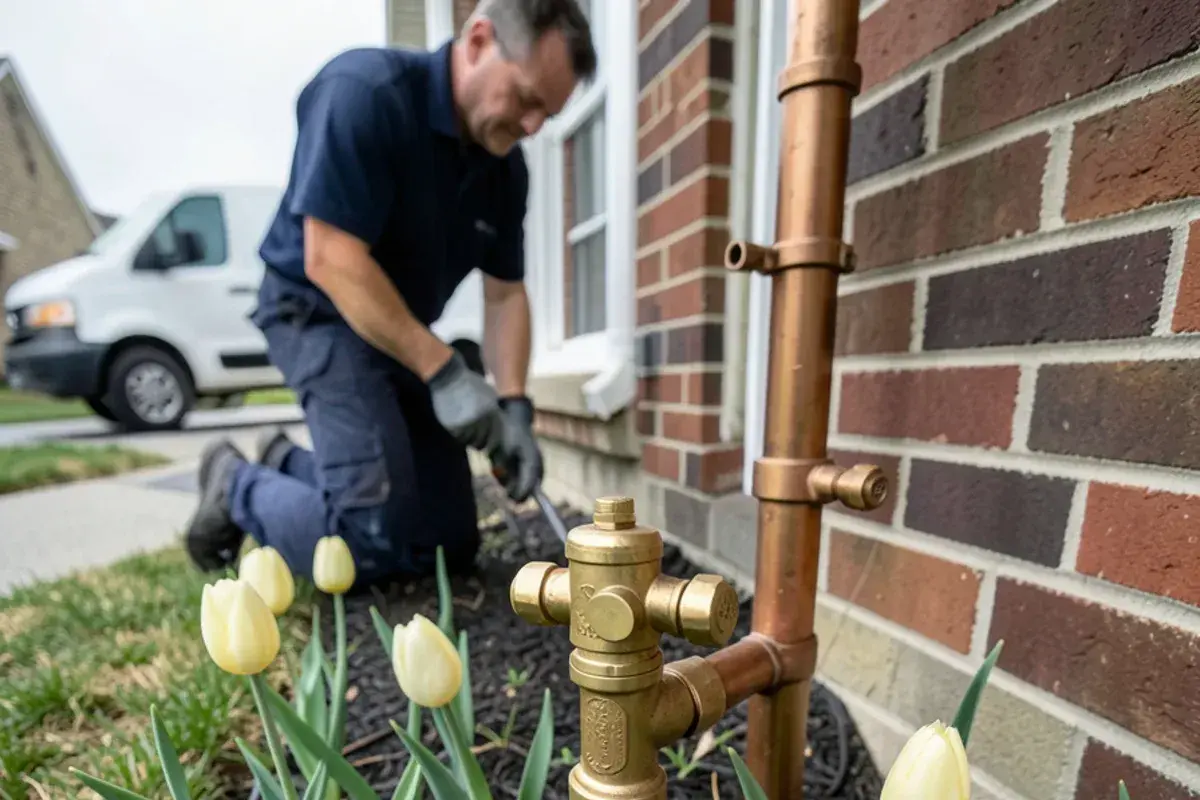
Two independent check valves in one body with test cocks and shutoffs. It protects against low-hazard connections, such as some fire sprinkler lines without additives.
Reduced pressure zone assembly (RPZ)
Two checks with a relief valve between them. If either check leaks, the relief valve opens and dumps water rather than letting it flow backward. RPZs go on high-hazard connections like chemical feeders, boilers with treatment, commercial kitchens and some fire lines. They need a drain below and should never be buried in a pit.
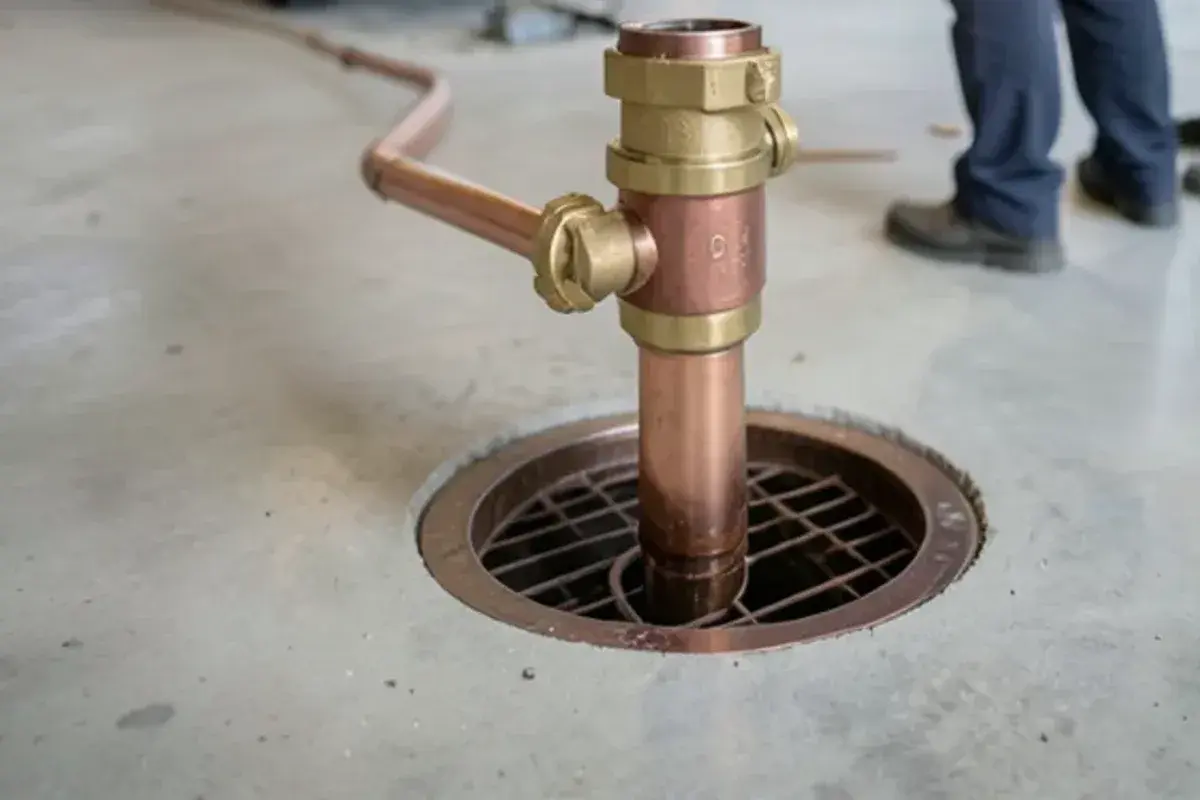
Simple hose bib vacuum breakers and water-powered sump backups round out the list. If you don't know what you have, a photo of the device and its tag helps when you call.
What happens during RPZ testing and other assembly tests
What a backflow test visit covers
- identifying and recording each assembly
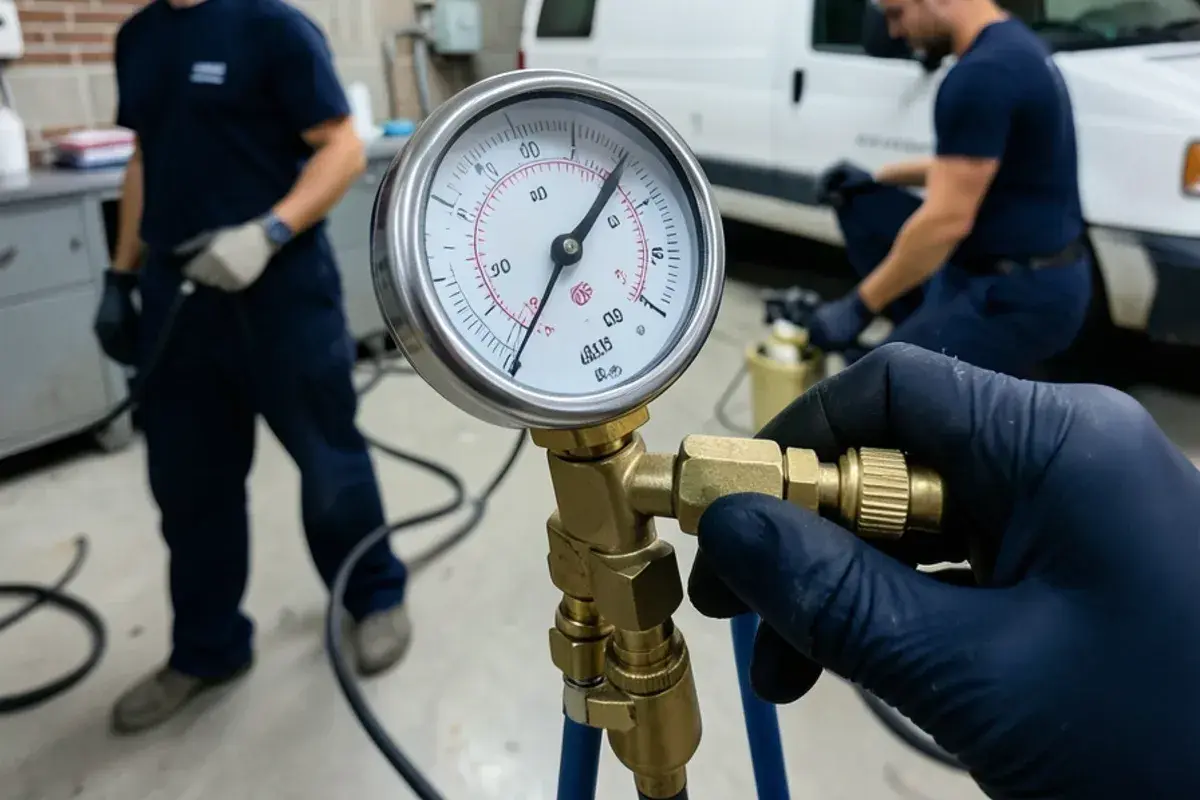
- testing every check valve, and an RPZ's relief valve, with a calibrated differential gauge
- filing the report the way your water system asks
- a rebuild or replacement quote if a device fails, then a retest
- a look at hose bibs and sprinkler risers that inspectors flag
Step by step
- You call (207) 419-2600 with the notice, the device type and where it is, and we pass you to a nearby plumber who handles backflow tests.
- The tester records the make, model, size and serial number.
- The downstream shutoff is closed and the test kit's hoses go on the test cocks.
- Each check valve is tested for how much pressure it holds. On an RPZ, the relief valve's opening point is tested too.
- Readings go on the report, the valves are reopened, and water is restored.
- You hear whether it passed, and if not, what failed and the repair options.
Who may test, and the state rules behind it
The programs come from Part 14 of Michigan's Safe Drinking Water Act rules, and EGLE says the customer usually pays for testing. The person doing the test needs ASSE 5110 certification. Since a 2023 joint interpretation by EGLE and the Bureau of Construction Codes, that tester must also be a licensed master or journey plumber, or an apprentice under direct supervision. Both credentials belong on the report, so ask for the numbers and check the license on LARA's online lookup. Installing a new assembly is separate, permitted plumbing work.
How your results reach the water department
A completed report lists the device details, each reading, pass or fail, the date, and the tester's certification and license numbers. Each water system sets how it wants reports filed. Sterling Heights has testers file electronically through its online system. Other departments take paper or email. The tester should follow the method on your notice, and you keep a copy for your records. Businesses with several devices can read the commercial plumbing page.
If the assembly fails the test
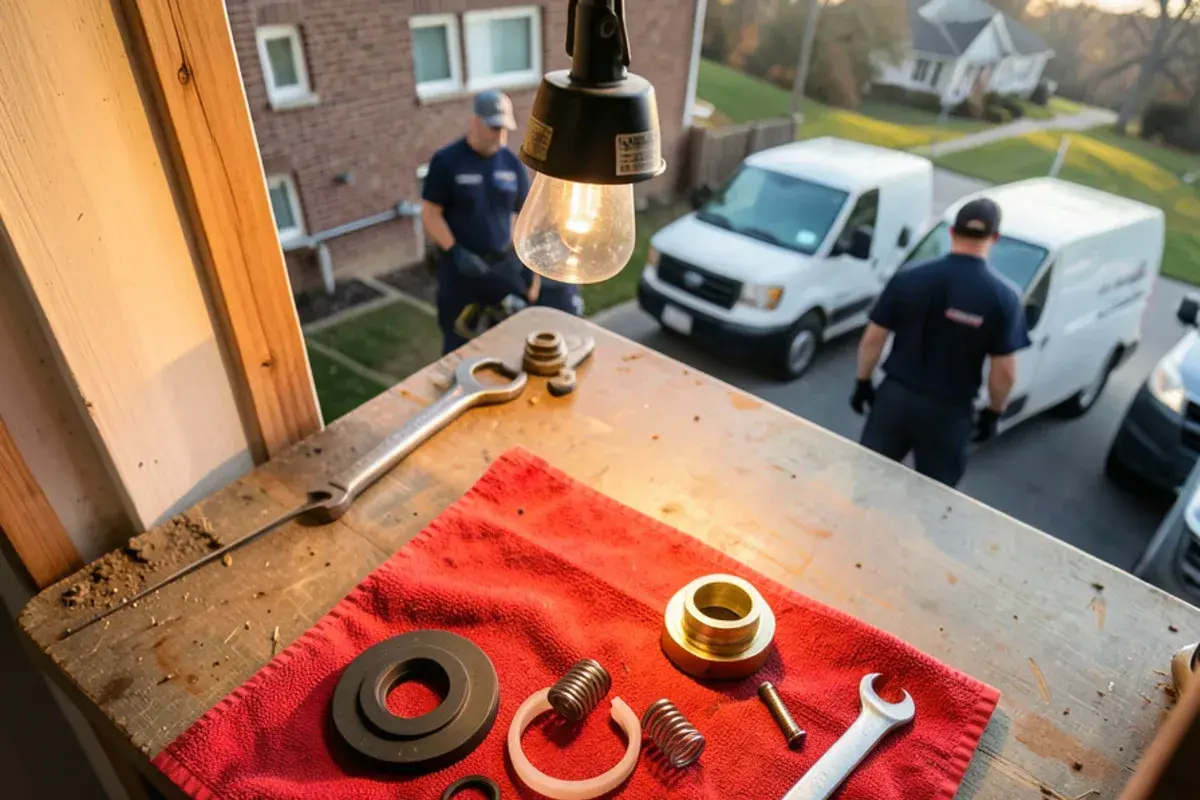
Most failures come from worn rubber, a weak spring or debris on a seat. The fix is usually a rebuild with the maker's repair kit, then a retest on the same visit if parts are on hand. A body cracked by frost, a discontinued model, or the wrong device for the hazard means replacement. In Macomb Township, installing a backflow preventer is listed as its own plumbing permit item, separate for irrigation systems. Our post on Michigan plumbing permits explains who can pull one.
What drives the cost of backflow testing
One sprinkler vacuum breaker by the foundation is a short job. A building with an RPZ in a ceiling and a double check on the fire line takes longer, and each failed device adds a rebuild and a retest. Spring brings frost-cracked sprinkler devices that need replacing. The main variables:
- How many devices need testing
- Device type and pipe size
- Access, such as a ceiling, crawl space or below-grade box
- Whether a rebuild kit or a full replacement is needed
- Any filing fee your water system charges
- After-hours scheduling for a business
Drain your sprinkler PVB before the first freeze, keep the relief port on an RPZ clear, and put the next due date on the calendar. If a hose bib at the house still lacks a vacuum breaker, a plumber can add a frost-free bib with built-in protection; the faucet repair and replacement page explains that job.
Why call Plumbers in Macomb, MI when a backflow notice arrives?
A test notice raises questions: which device, which form, who may sign it. Plumbers in Macomb, MI is one phone number for every plumbing need, from a sprinkler vacuum breaker to a burst pipe. Call (207) 419-2600 with the notice in hand and we'll connect you with an independent plumber working in your community who tests backflow assemblies. That plumber runs the test, files the report and quotes any repair. This page explains the devices, the schedule, the cost factors and the state rules, so you can check the paperwork yourself before it's filed. There's no form to fill out.
Backflow testing: questions we hear
Why did I get a cross-connection inspection notice in Macomb Township?
Michigan requires every public water system to run a cross-connection program, and Macomb Township approved an EGLE-approved inspection plan in March 2026. It includes exterior walkthroughs of homes and mailed surveys about devices inside. A notice means the township is building its records, and you may be asked to test a device on a set schedule.
Who is allowed to test a backflow preventer in Michigan?
A tester must hold ASSE 5110 certification. Since 2023, they must also be a licensed master or journey plumber, or an apprentice working under one's direct supervision. Ask for both numbers before the test, because they belong on the report.
Do I have to test the backflow device on my sprinkler system?
Yes, if your water supplier asks. Sterling Heights, for example, tests residential irrigation devices every three years. Other systems set their own schedules, so follow the date on your notice. An irrigation backflow test is also a good time to check the device for winter damage.
Will my water be off during the test?
Yes, briefly. The tester closes the assembly's shutoff valves to take readings, so water past that device stops for the length of the test, which Michigan programs such as Wyoming's put at about half an hour or less unless repairs are needed. For a sprinkler that rarely matters. For a business, schedule around opening hours.