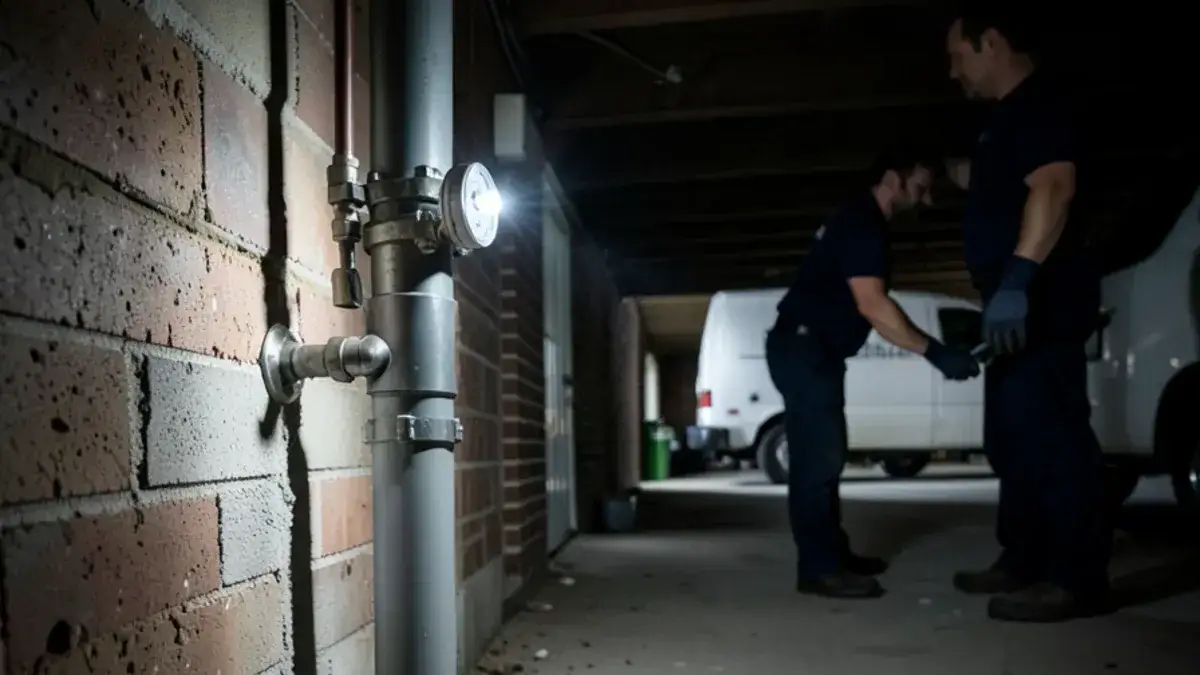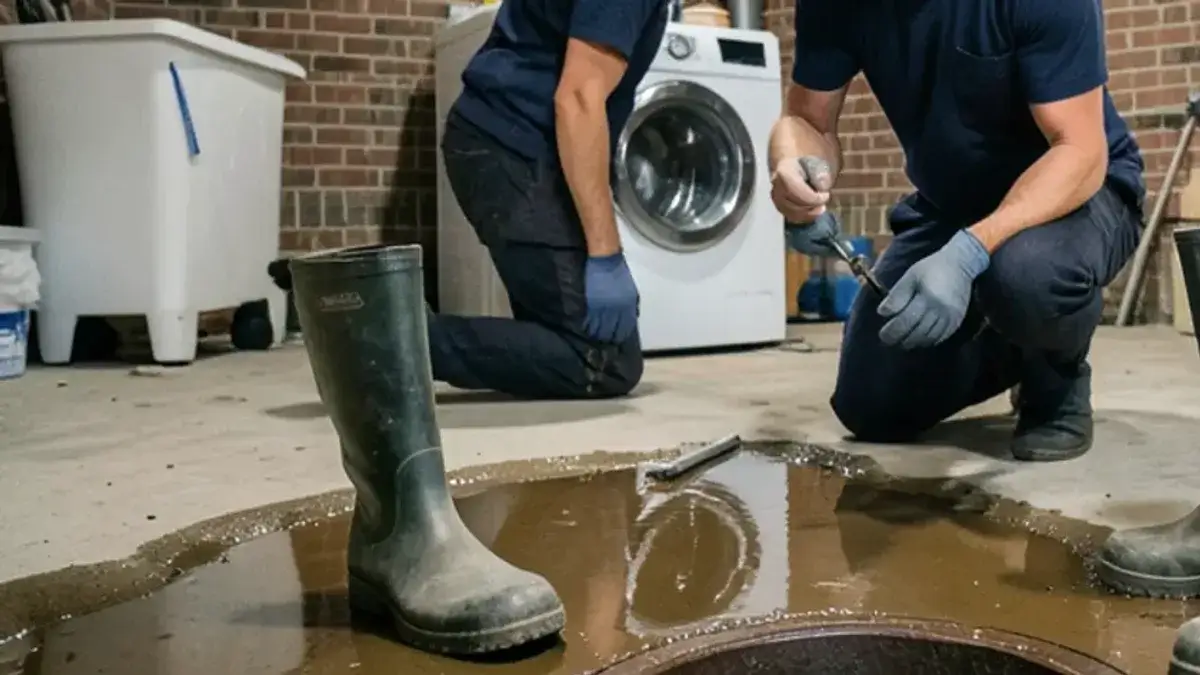
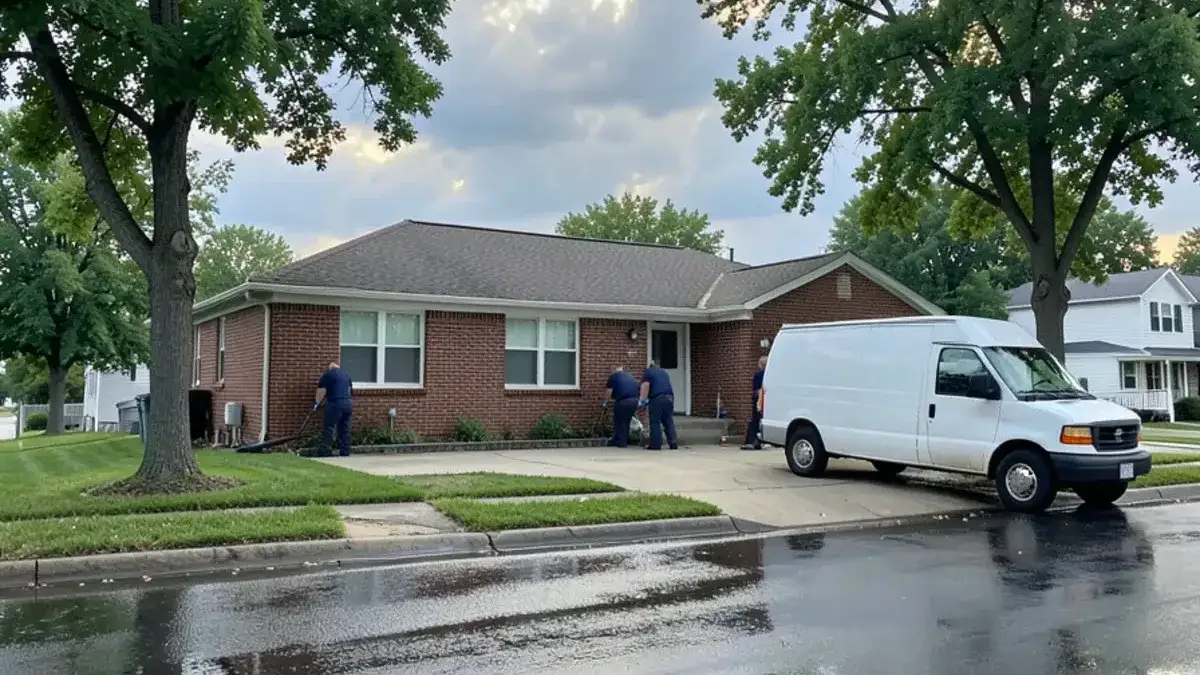
That age shows up as gurgling floor drains, thin upstairs pressure and city letters about service lines. Call (207) 419-2600 with the symptom and your cross streets, and we'll connect you with a plumber who covers your part of Warren.
Brick ranches from the 1950s and 1960s
Census estimates put the median Warren home at 1965. About 28 percent were built between 1940 and 1959 and another 52 percent between 1960 and 1979; fewer than 7 percent are from 2000 or later. Three out of four units are detached single-family houses, and roughly 71 percent are owner-occupied, so the person calling usually owns the pipes in question.
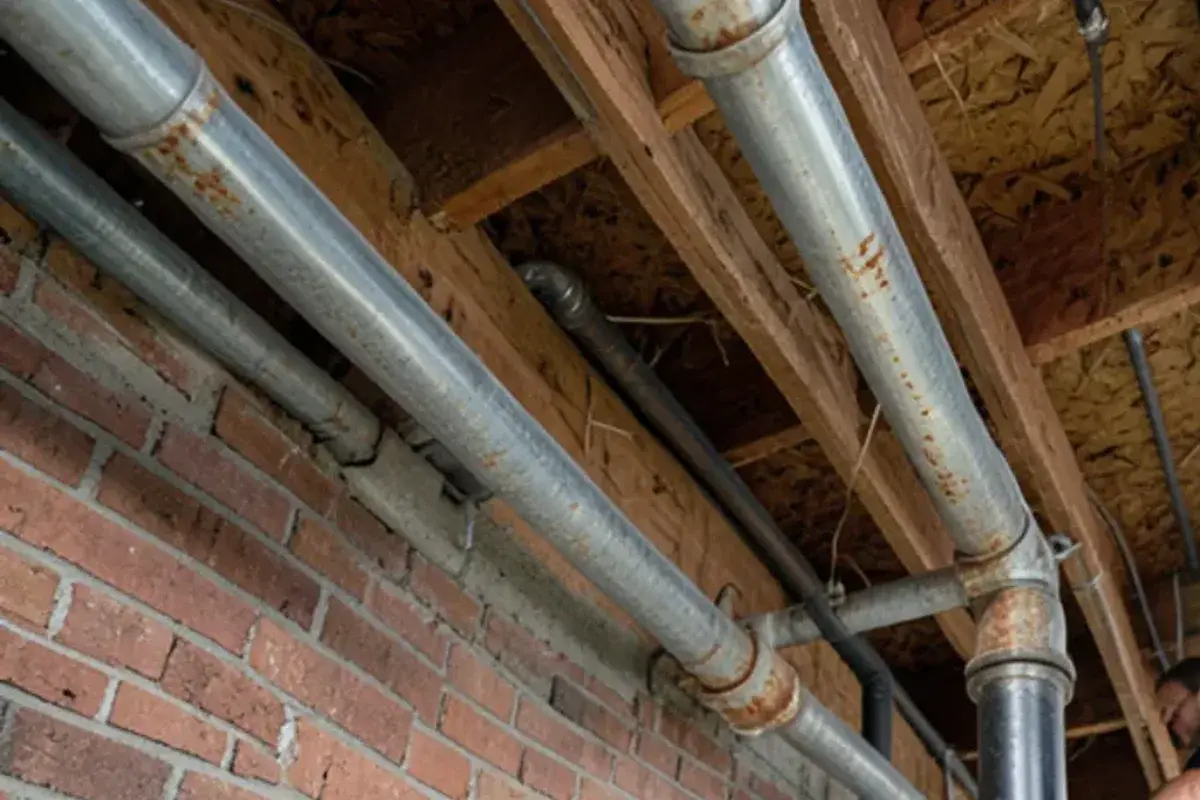
Houses from those decades typically got galvanized or early copper supply lines, a cast iron stack, and a clay or cast iron lateral to the street main. That's the pattern; the plumber confirms what your house has by looking at it. Galvanized pipe rusts closed from the inside until a second-floor shower runs thin. Clay joints separate and roots find them. Horizontal cast iron wears through along its bottom, often under a finished floor.
Basement backups along the Red Run Drain
About 5.2 inches of rain fell on Warren on August 11, 2014. Michigan Public later reported that the sewers where the eastern Red Run flows hold about half of what a 10-year storm sends them.
The city's 9 Mile Rd sewer relief and detention work, with its last leg between Hoover and Van Dyke, is part of a larger program to cut basement flooding and sanitary overflows to the Red Run. A backwater valve on the building drain closes when the main surcharges, and a camera run finds the crack or root mass before the next storm does. Our article on a sewage backup in the basement walks through cleanup and insurance.
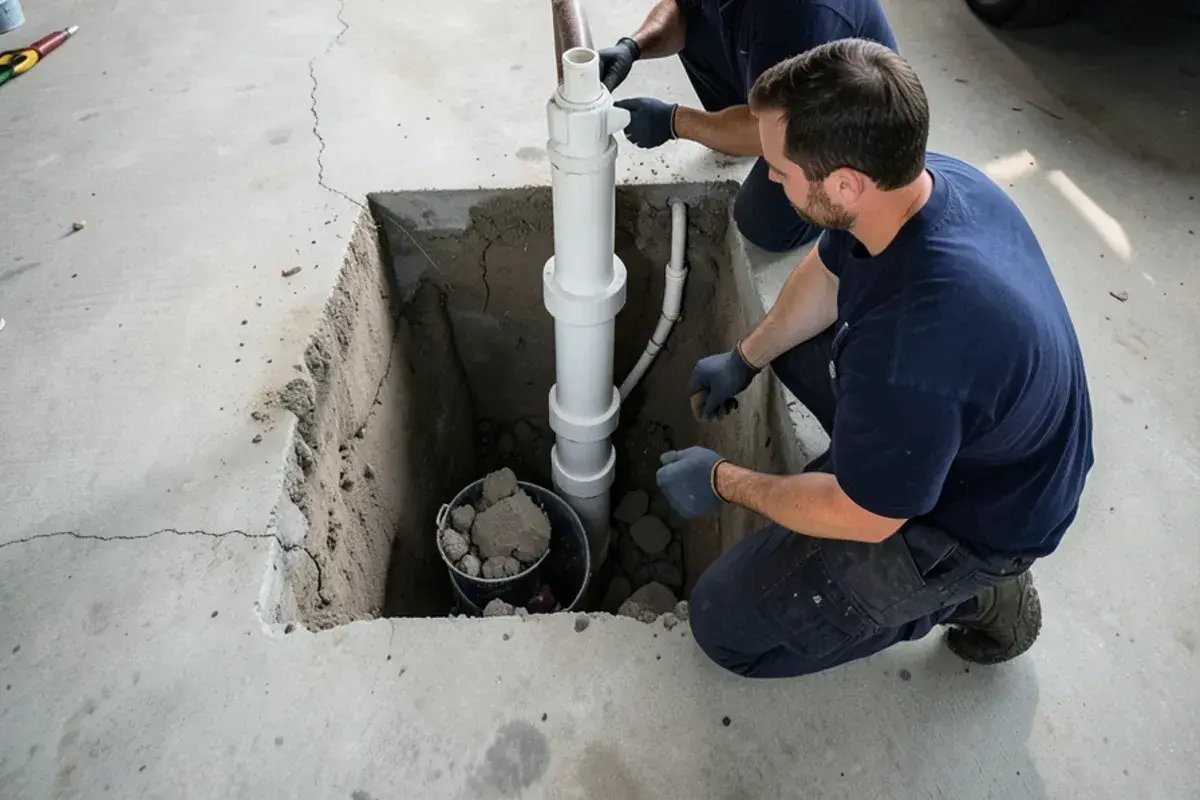
Floor drain gurgling after a Warren storm? Call (207) 419-2600
- Your call goes to an independent local plumbing company that does the work.
Detroit River water and the city's lead line count
Warren buys GLWA water drawn from the Detroit River and treated at the Northeast plant. Its 2025 report puts average hardness at 105 mg/L, about 6 grains per gallon, enough to slowly scale a water heater.
The same report warns that a Warren home built before 1960 may have a lead service line. By March 1, 2026, the city had found 482 lead lines and replaced 446, while about 17,500 of its 53,803 services were still unknown. State rules put lead line replacement on the water system, and the city says it restores the lawn, sidewalk, driveway and any interior work it disturbs. Our guide to lead service lines in Michigan explains the inventory terms.
Plumbing permits and sprinkler backflow tests
Plumbing permits go through the Building Division in Suite 305 at One City Square, which posts the application. Michigan requires a permit before work begins, except for repairs to the working parts of a faucet or valve and clearing stoppages that don't alter piping or fixtures.
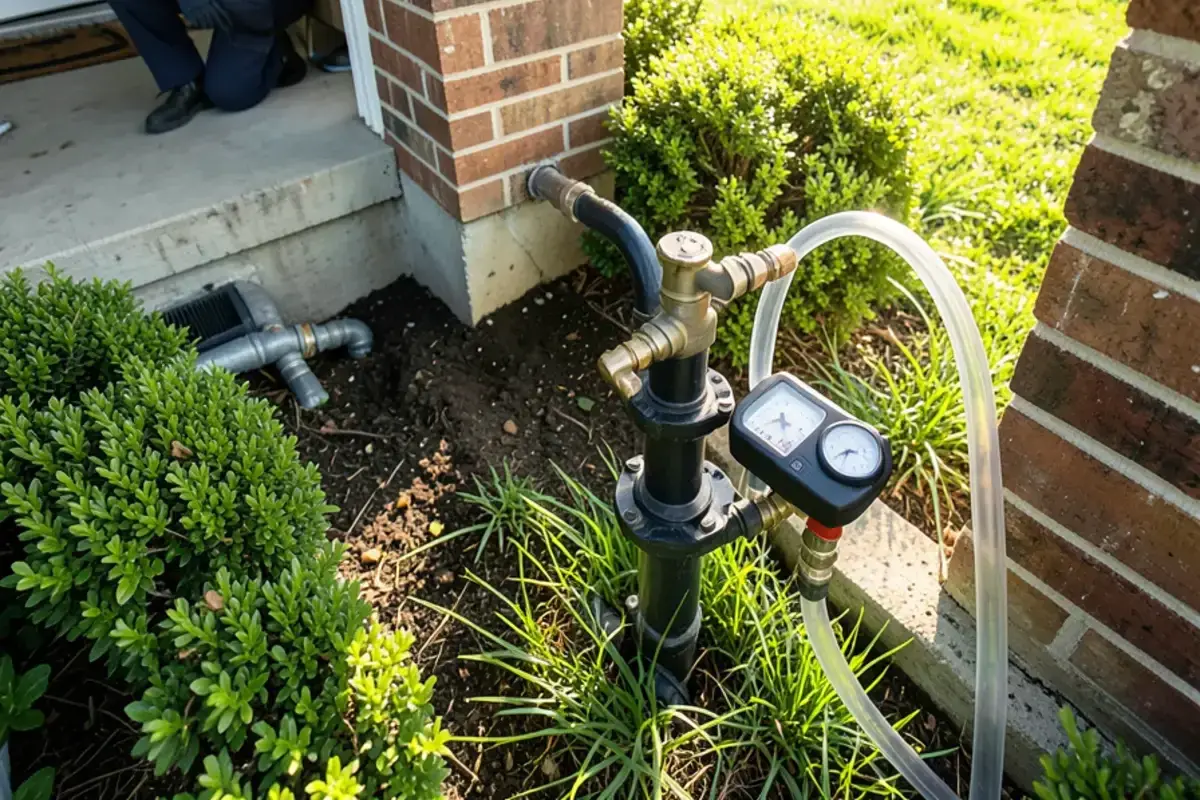
Starting late in 2025, Warren homes with underground irrigation need a backflow test every 5 years. The city estimates more than 20,000 houses have such systems and is inspecting them across five areas in rotation.
Services for Warren's post-war basements
Each card ties the service to something on record about the city, from the Red Run storm sewers to the sprinkler rule.
Sewer camera inspection
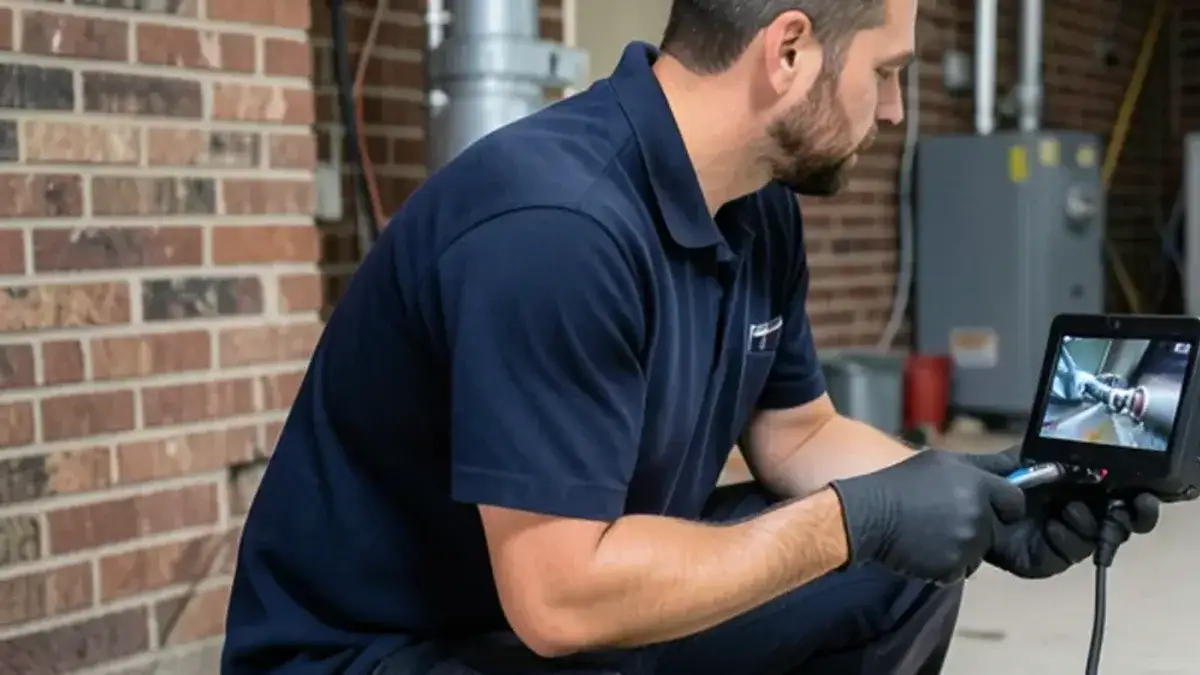
About 80 percent of Warren homes date from 1940 to 1979, when clay and cast iron laterals were the norm, and a camera shows cracks and roots before anyone digs.
Sewer camera inspection: Read more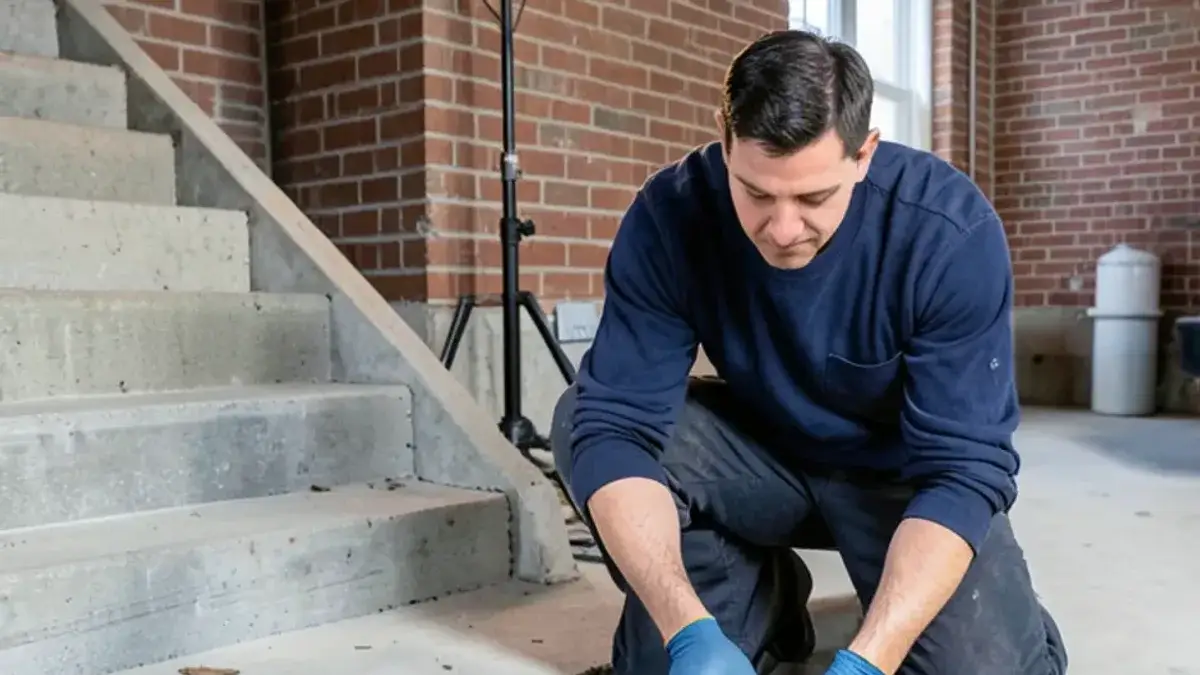
Basement flooding prevention
About 5.2 inches of rain fell on Warren on August 11, 2014, and sewers in the eastern Red Run area hold roughly half of a 10-year storm.
Basement flooding prevention: Read more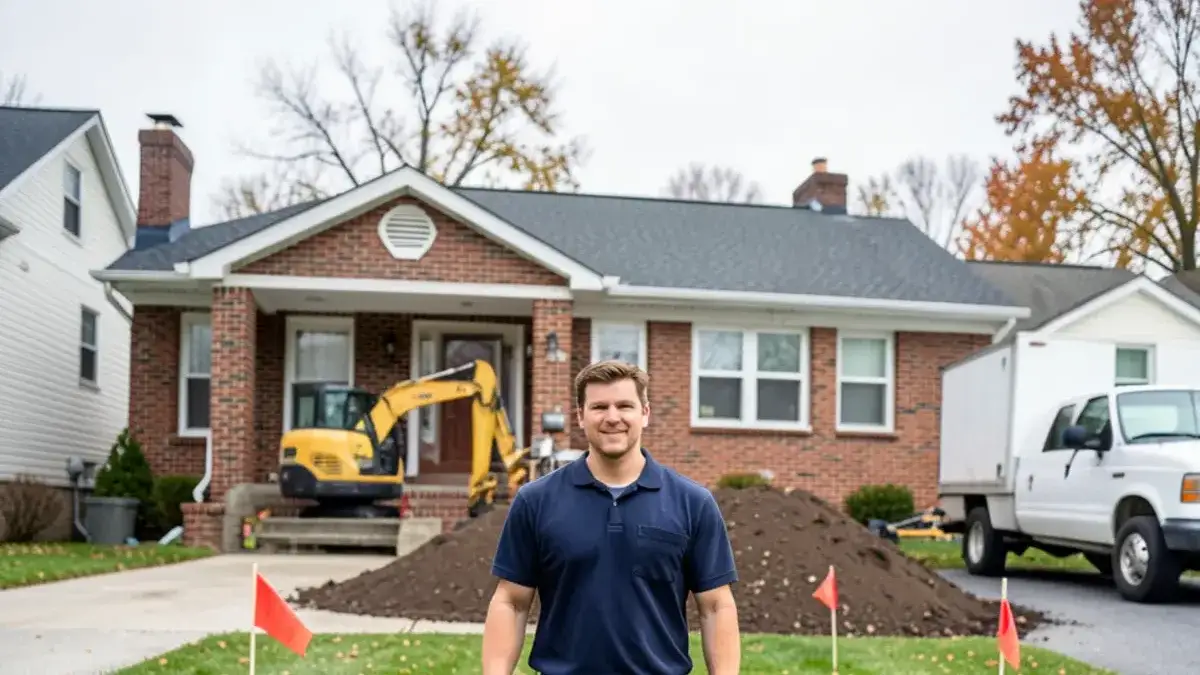
Main water line repair
Warren still listed about 17,500 service lines as unknown material in March 2026 and warns that homes built before 1960 may have lead, so the pipe at the meter deserves a look.
Main water line repair: Read more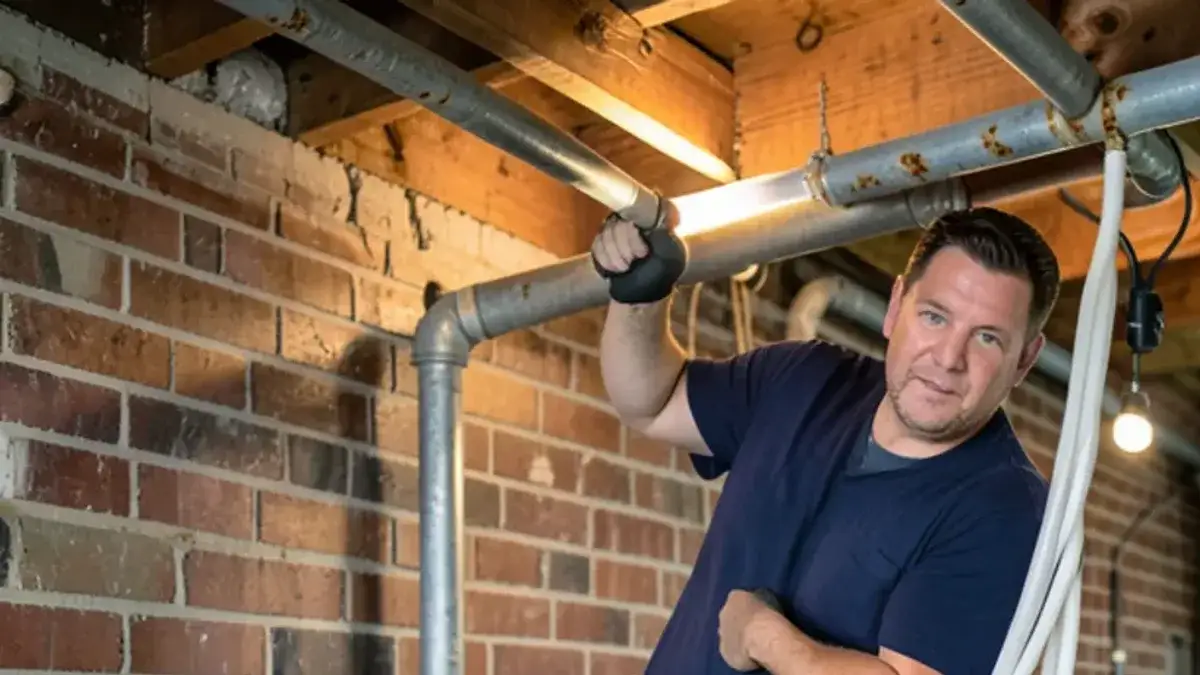
Repiping
Galvanized steel supply is typical in the 28 percent of Warren homes built from 1940 to 1959, and it rusts shut from the inside until a second-floor shower barely runs.
Repiping: Read more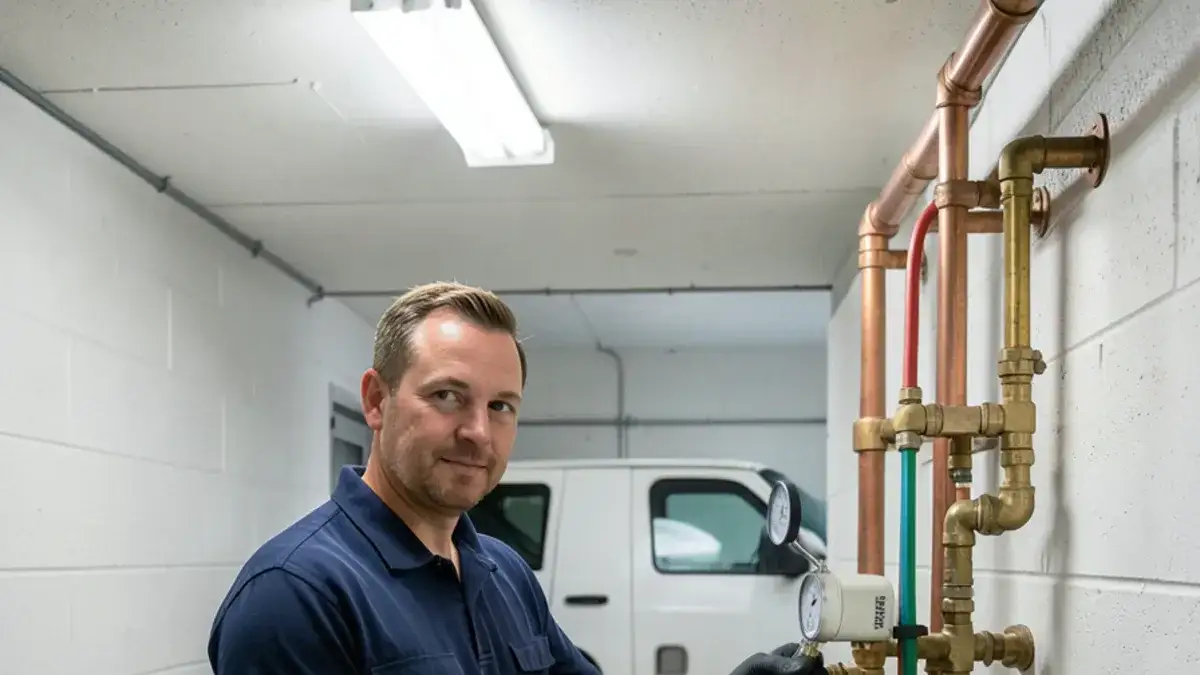
Backflow testing
Since late 2025, Warren homes with underground lawn irrigation need a backflow test every 5 years, and the city is working through five areas in rotation, notifying owners by mail or door tag.
Backflow testing: Read more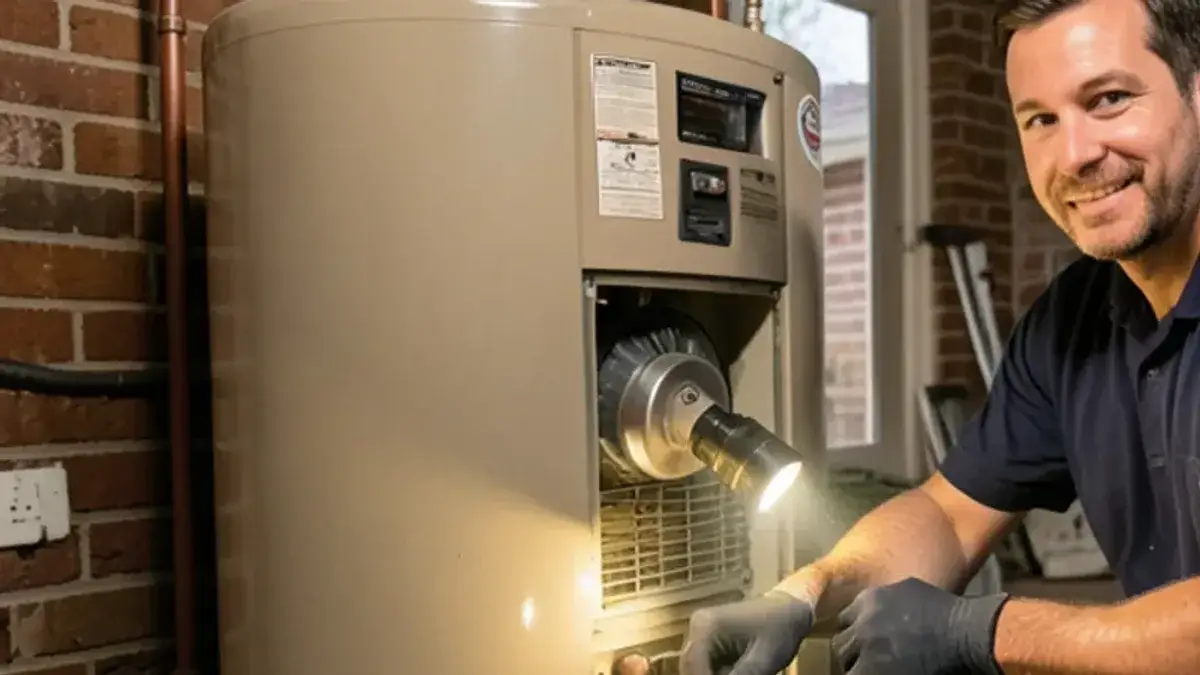
Water heater repair
Warren's water from GLWA's Northeast plant averages 105 mg/L hardness, about 6 grains per gallon, enough to build scale on a tank's bottom and elements over the years in a busy household.
Water heater repair: Read moreHow a visit works in a Warren house off Van Dyke or Mound
Name your cross streets when you call: Mound near the GM Global Technical Center, which turned 70 in 2026, Van Dyke (M-53), or a side street by Halmich Park or the Warren Community Center on Arden Ave. The city spans ZIP codes 48088, 48089, 48091, 48092 and 48093. If the city mailed you a letter or left a door tag about your service line or a sprinkler inspection, keep it handy.
In a finished basement, the cast iron stack and the cleanout often hide behind drywall, so clear a path to the floor drain. The plumber you're connected with looks first, lays out what they found, the choices and what drives the cost, and starts only after you agree. They test the work and clean up.
Warren plumbing questions
How do I find out whether my Warren house has a lead service line?
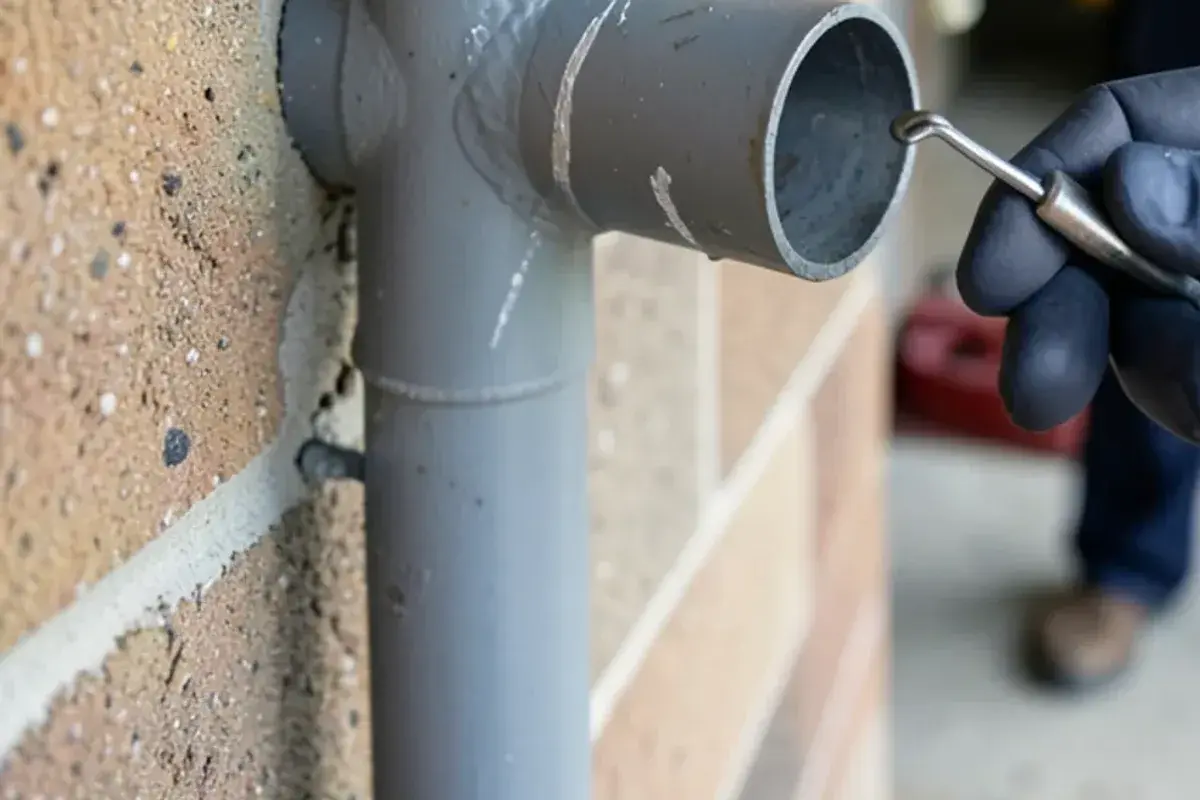
Start with the build year. The city says homes built before 1960 may have one, and about 17,500 Warren service lines were still unknown in March 2026. The city offers free in-home inspections of the service line. You can also check the pipe where it comes through the basement wall before the meter. Lead is dull gray, a key leaves a bright scratch on it, and a magnet won't stick.
Does my Warren lawn sprinkler system need a backflow test?
Yes, if it's an underground irrigation system on city water. The test repeats every 5 years, and the city is reaching homes one of five areas at a time, with notice by mail or door tag. Michigan requires the tester to hold ASSE 5110 certification and a master or journey plumbing license, or to be an apprentice working under one.