Call, describe what you're seeing, and we'll connect you with an independent plumber who covers Eastpointe. Most plumbing trouble here traces back to old pipe: clay laterals, galvanized supply lines and combined sewers that fill up in a heavy rain.
Pre-1960 bungalows, clay laterals and Eastpointe's combined sewers
Census estimates put Eastpointe's median year built at 1954. About 65% of homes date from 1940 through 1959 and another 13% are older still. Roughly 90% of units are detached houses and 70% are owner-occupied, so most houses have a lateral of their own running out to the city main.
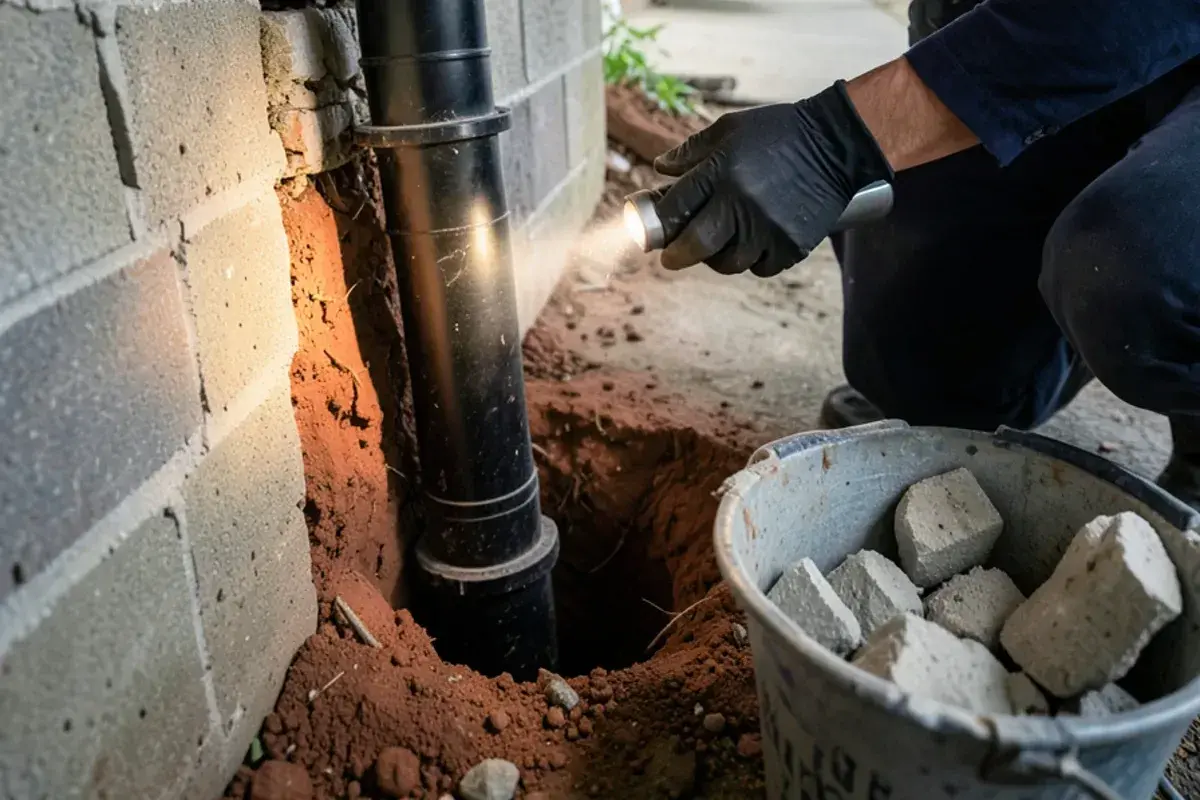
The typical house of that era got galvanized supply pipe inside the walls, a cast iron stack and building drain, and a clay lateral to the main. Some were connected with a lead service line. Those are patterns, not facts about your address. After 70 years, clay joints have shifted enough to let roots in, and galvanized pipe has closed up with rust. Our post on tree roots in sewer lines explains what a root intrusion looks like on camera.
The sewers under the street are just as old. Macomb County Public Works names Eastpointe and St. Clair Shores as the two oldest communities whose sewers get overwhelmed in heavy rain. Those pipes carry storm water and sewage together, so a downpour fills them and the flow looks for the lowest opening. In most Eastpointe houses that's the basement floor drain. A backwater valve on the main drain is the usual long-term answer, and a standpipe plug helps in a pinch.
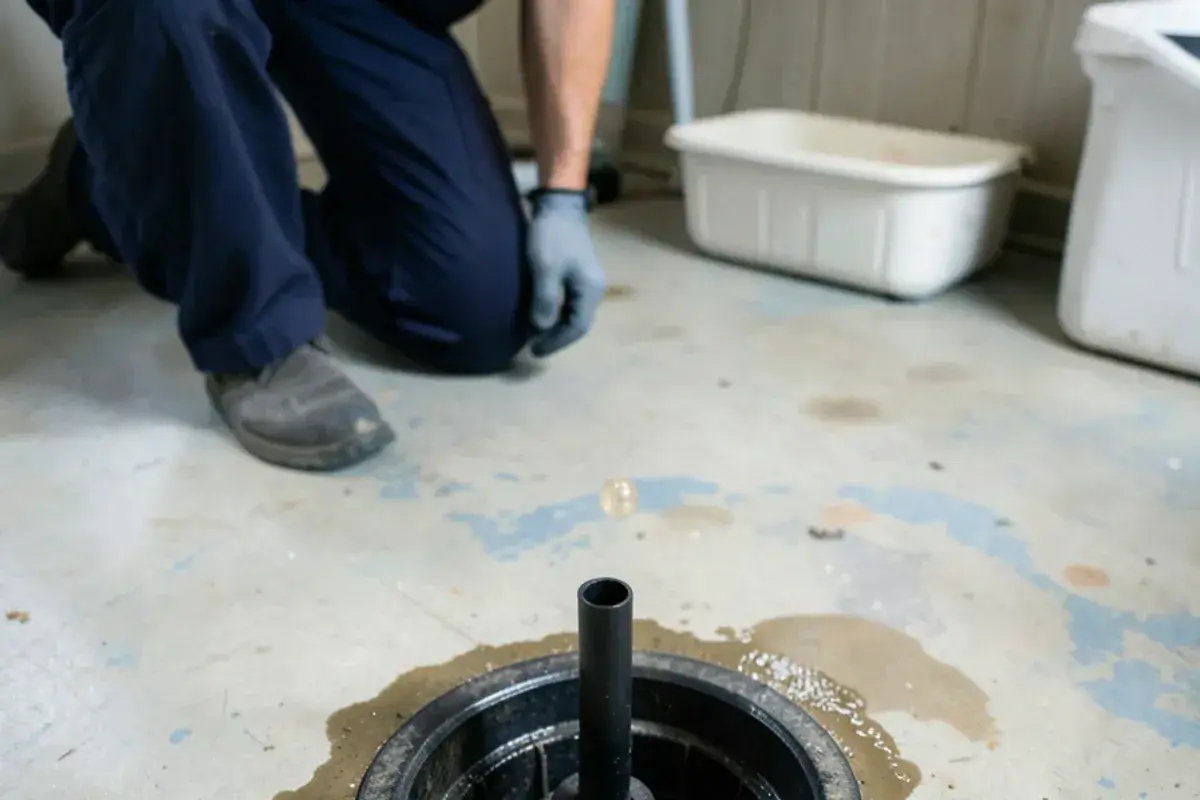
Storm water coming up an Eastpointe floor drain? Call (207) 419-2600
- Your call goes to an independent local plumbing company that does the work.
Gratiot Avenue, the 8½ Mile district and GLWA water
All but a sliver of Eastpointe sits in ZIP 48021. City Hall is at 23200 Gratiot, and the Building Department is inside it, open Monday through Thursday and closed Fridays, so plan a permit question for early in the week. Eastpointe High School is on Couzens Ave, and Kennedy Park is the other landmark most residents name.
Below ground, Eastpointe shares the 8½ Mile Relief Drain Drainage District with St. Clair Shores, and county Public Works counts about 44,782 residents in it across the two cities. Overflow from that system goes to the Chapaton basin at the foot of Nine Mile Road. The rebuilt basin, unveiled in September 2025, holds 17 million gallons and is projected to cut overflows by half. That helps the lake. The pipe between your floor drain and the street is still your own.
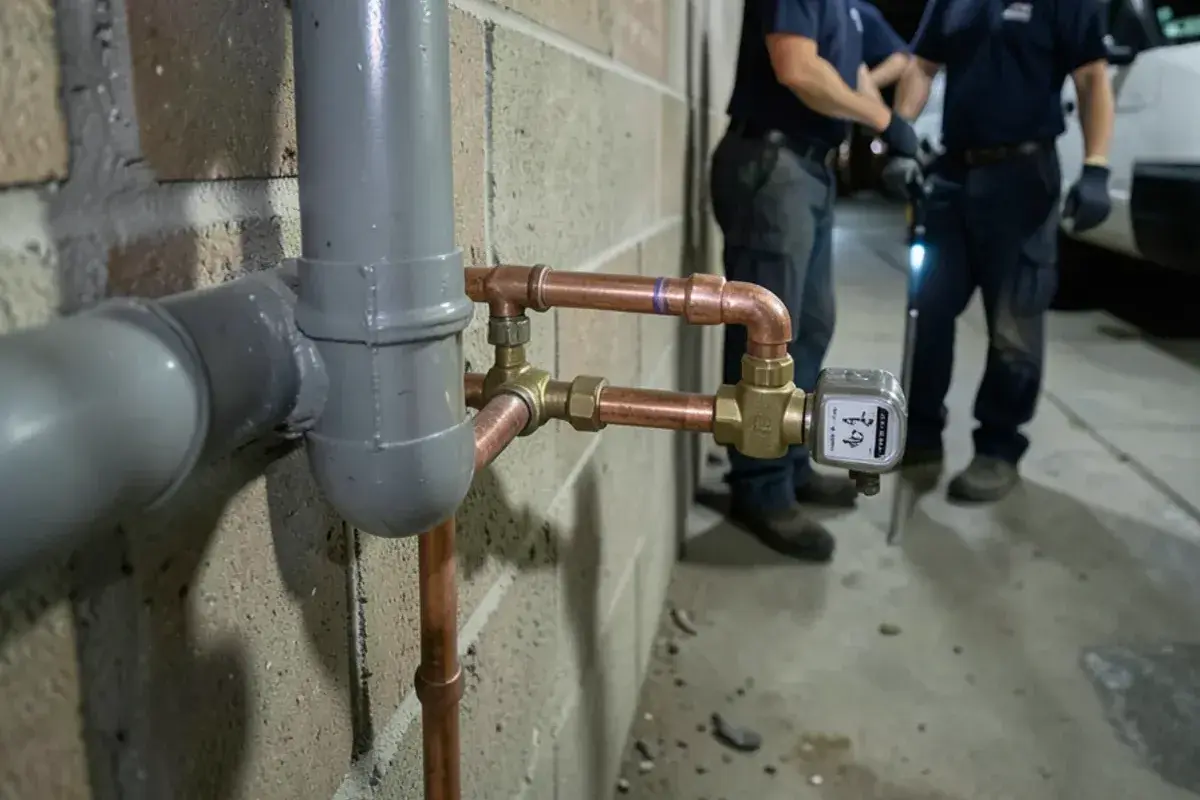
Water comes from GLWA. Late-2023 city sampling put the 90th-percentile lead level at 25 parts per billion, above the action level of 15 then in force. Read our guide to lead service lines in Michigan for how the replacement rules work.
Repairs most common in 1940s and 1950s Eastpointe homes
The cards below line up with the sewer, lead and galvanized pipe problems above. Each one links to a page on how the work is done and what drives its cost.
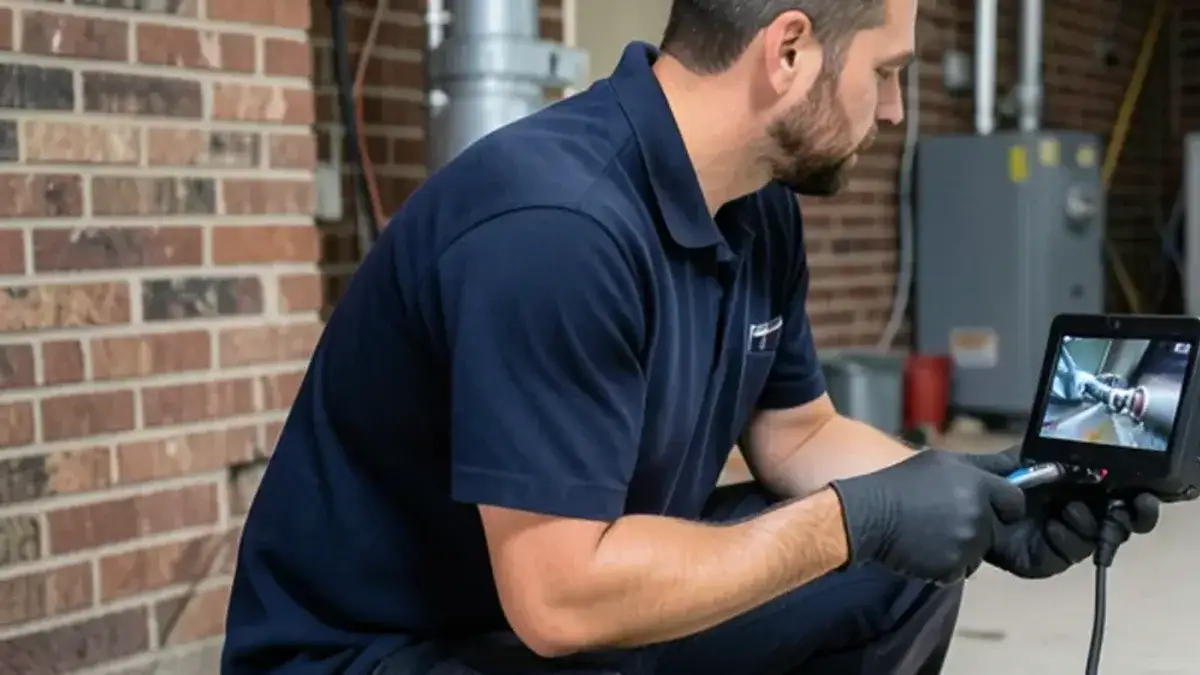
Sewer camera inspection
Almost eight in ten Eastpointe homes went up before 1960, so the clay lateral running to the street is often 65 years old or more. A camera shows its joints before anyone talks about digging.
Sewer camera inspection: Read more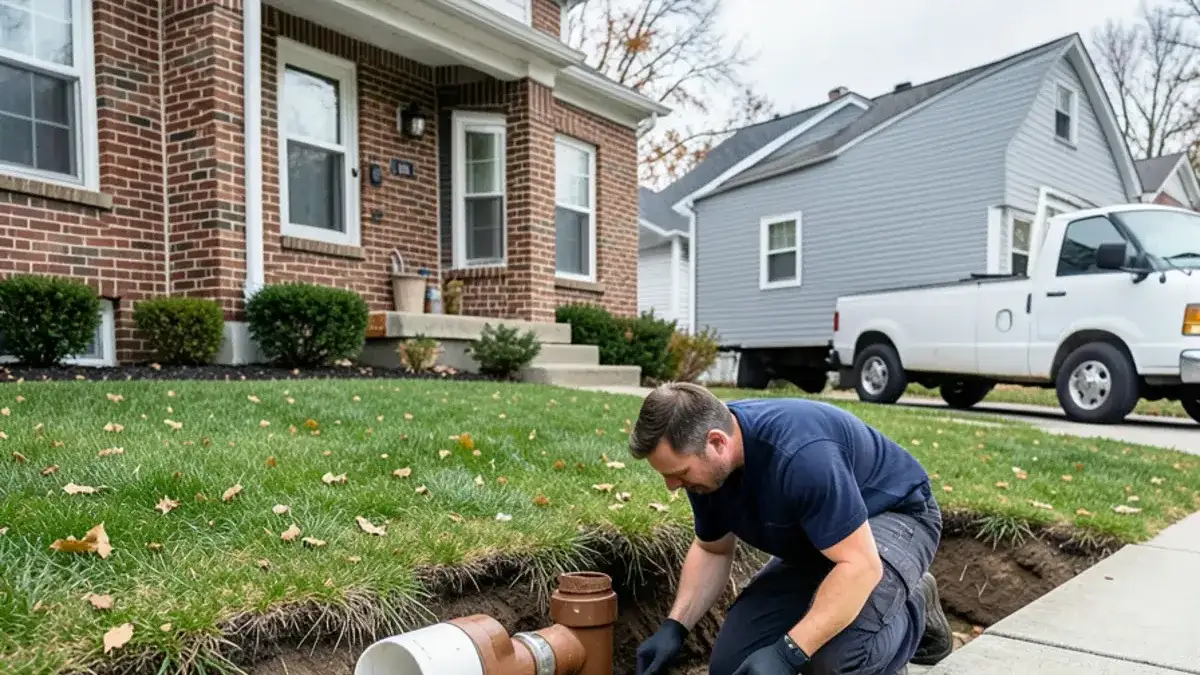
Sewer line repair
Roots, settled joints and cracked clay are the usual finds in laterals laid in the 1940s and 1950s, and in Eastpointe those laterals run under front yards shaded by trees that are just as old.
Sewer line repair: Read more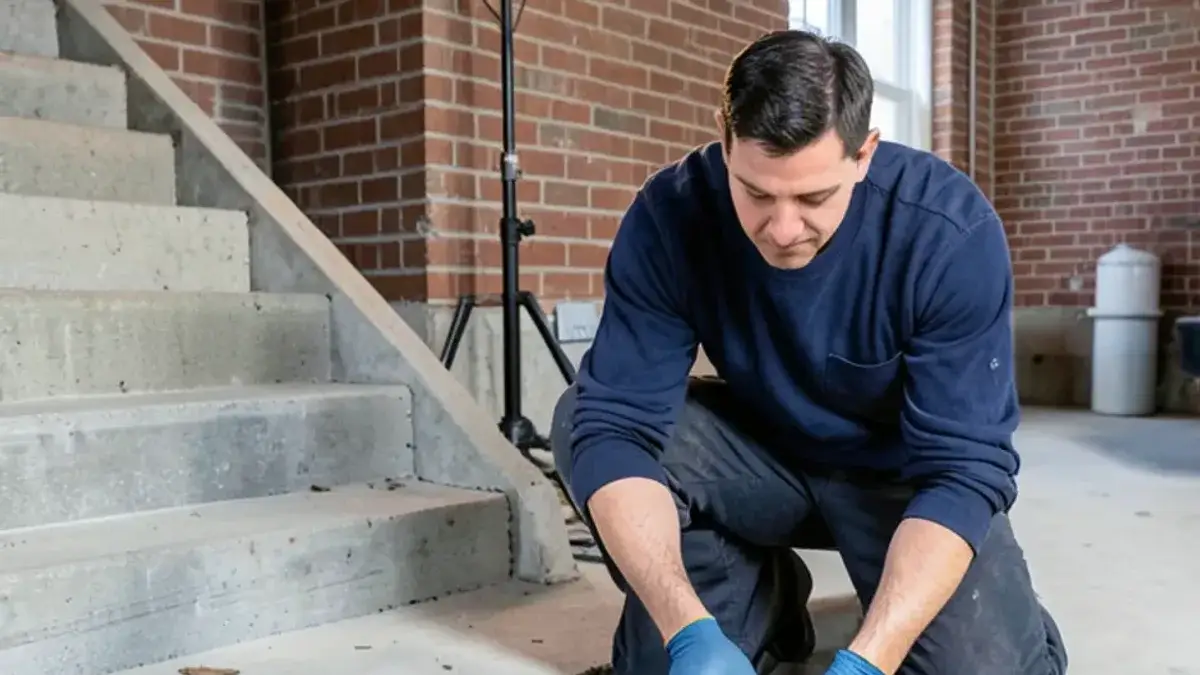
Basement flooding prevention
County Public Works names Eastpointe's combined sewers among the two oldest systems that overwhelm in heavy rain, and the basement floor drain is where that pressure shows up first in most bungalows.
Basement flooding prevention: Read more
Main water line repair
Late-2023 sampling put Eastpointe's 90th-percentile lead level at 25 ppb, and the city has been replacing lead service lines since. Owners can have the pipe at the meter identified while they wait.
Main water line repair: Read more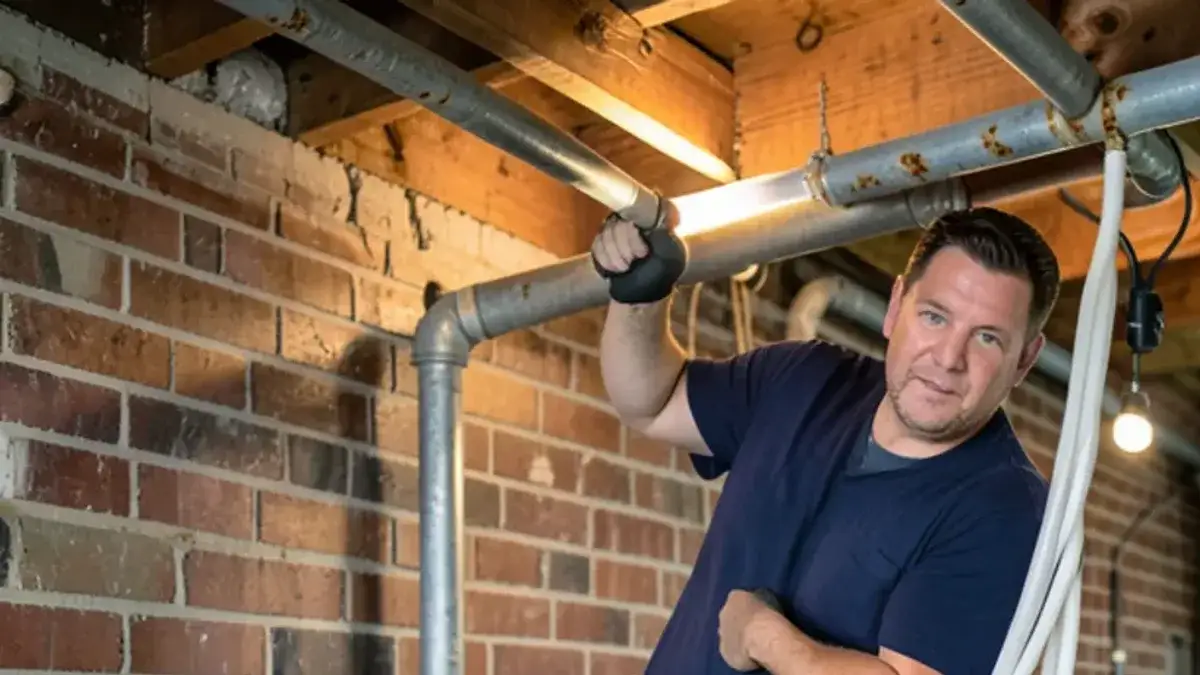
Repiping
Galvanized interior supply pipe was standard in Eastpointe's 1940s and 1950s bungalows, and after seventy years it narrows with rust until a second-floor shower barely runs while the washer fills.
Repiping: Read more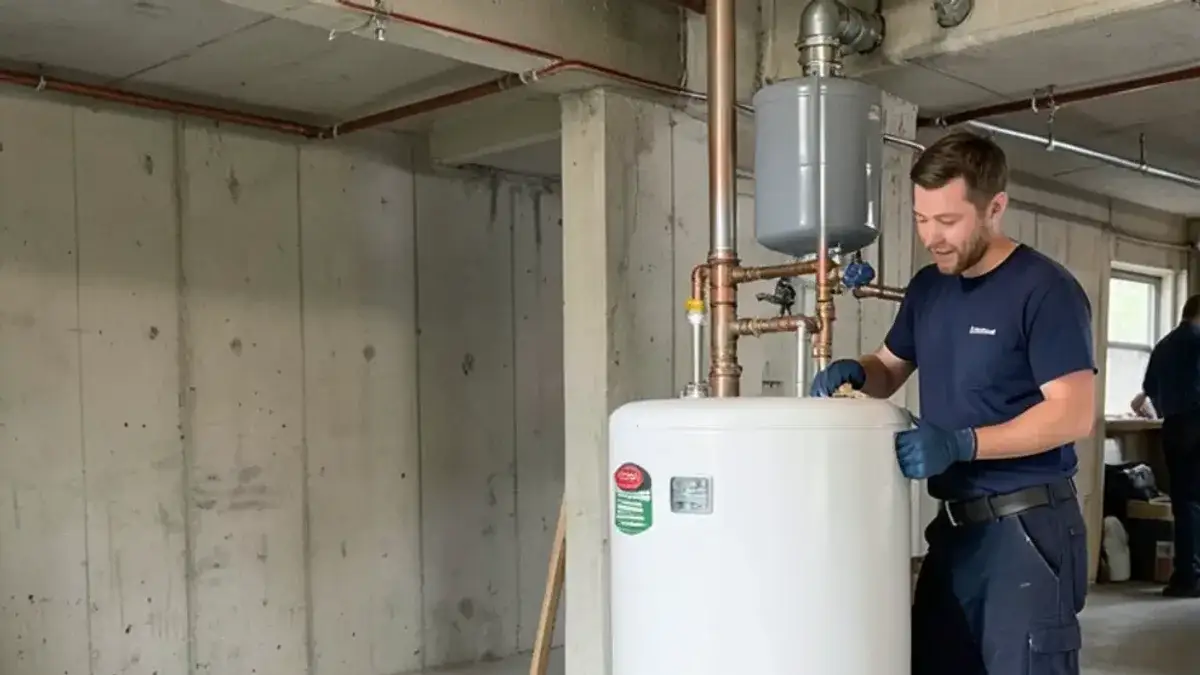
Water heater installation
A new tank going into a pre-1960 Eastpointe basement usually means checking the old chimney flue, the gas connection and thermal expansion control against the current Michigan code before it is fired up.
Water heater installation: Read moreHow a visit works in a 1950s Eastpointe basement
If a storm just pushed water up the floor drain, say so when you call, and say whether it looks like clear water or sewage. That tells the plumber you're connected with whether to expect a full combined sewer or a blockage in your own lateral. If you know where the main cleanout is, clear a path to it.
In a 1950s basement the plumber checks the main cleanout and the floor drain first, then runs a camera down the lateral if the blockage is past the wall. You see the screen, hear the options and what drives the cost, and decide before work starts. After the repair the plumber runs water through every fixture involved and cleans up.
Eastpointe plumbing questions
Why does my Eastpointe floor drain back up only in big storms?
Because Eastpointe's older sewers carry rain and sewage in the same pipe. When a downpour fills them, water looks for the lowest opening, and that's usually a basement floor drain. A backwater valve on the main drain is the long-term fix in many houses. A camera run first tells you whether a root or sag in your own lateral is making it worse.
How do I find out if my Eastpointe house has a lead service line?
Look at the pipe that comes through the basement wall to the meter. Lead is dull gray, soft, scratches to a bright silver and won't hold a magnet. Eastpointe had replaced 805 lead lines by January 2024 and received a state award to keep going, so if yours looks like lead, ask the city about its program before paying for the work yourself.
Do I need a permit to replace a sewer lateral in Eastpointe?
Yes. Michigan says plumbing work can't start until the permit is issued, and only a licensed plumbing contractor or a homeowner working on the single-family house they live in can pull one. Ask at the Building Department inside City Hall at 23200 Gratiot, which closes Fridays. Before any digging, contact MISS DIG 811 at least three business days ahead.